A Smithsonian-raised shrike turns up 30 miles from where she was released
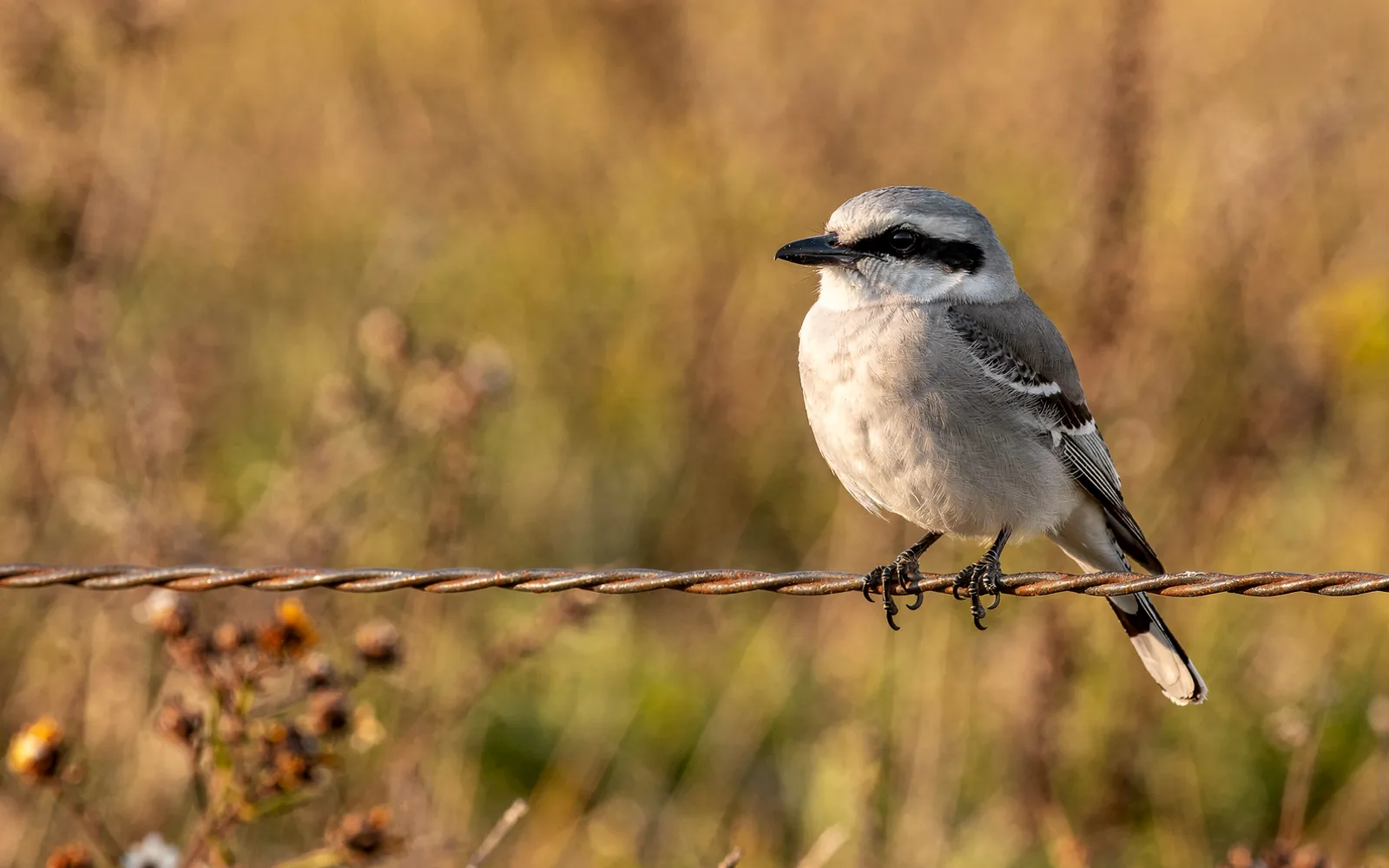
A young eastern loggerhead shrike hatched in Front Royal, Virginia, was spotted in Ontario, marking the start of her journey south.
The 60-second version
- A bird watcher in Ontario spotted a banded eastern loggerhead shrike raised in Virginia.
- The young songbird moved nearly 30 miles south toward the United States for migration.
- The sighting is the first record of the subspecies in the county in five years.
In mid-September, a bird watcher walking in Prince Edward County, Ontario, noticed a small songbird with distinctive leg bands resting in the open country. The traveler was an eastern loggerhead shrike, a small gray bird recognizable by its striking black mask and sharply hooked bill. Her appearance brought quiet excitement to local observers, as the subspecies had not been seen anywhere in the county for more than five years.
A careful reading of the leg bands revealed her exact background. The young bird had been raised in Front Royal, Virginia, as part of the Smithsonian's eastern loggerhead shrike breeding program. Animal keeper DJ Washington leads the Virginia breeding facility, which works closely with regional partners to help the rare birds recover across their historical range.
A journey toward the south
The female shrike hatched on April 27, 2026, emerging alongside 30 other chicks during that breeding season. After several months of attentive care, conservation teams transported her north to Canada for release into appropriate grassland habitat. She was released in mid-August at Wildlife Preservation Canada's Napanee field site, located near Newburgh, Ontario.
The sighting in Prince Edward County took place nearly 30 miles south of the Napanee release grounds. Observers noted that her travel was a clear sign that she was beginning her fall migration south into the United States. Eastern loggerhead shrikes regularly make this seasonal journey as autumn advances, relying on open country along their path.
Decades of population decline
Her journey marks a noteworthy moment for a subspecies under severe pressure. Over the past 50 years, the eastern loggerhead shrike has declined by more than 70 percent. Finding and tracking individual birds helps biologists confirm that captive-reared birds can navigate natural landscapes and follow traditional migratory routes.
To address the steep decline, the Smithsonian joined Wildlife Preservation Canada's recovery program in 2011. Since 2014, Smithsonian staff in Virginia have raised nearly 300 chicks within the program. More than 75 percent of those young shrikes have been released into the wild to strengthen existing populations.
Restoring pasture and farmland
The ongoing captive-breeding work is steadily influencing wild numbers. Records show that about 30 percent of wild-hatched birds currently have at least one parent that was bred through conservation programs. These generational ties indicate that released songbirds are pairing successfully and raising young in their natural territories.
In Virginia, conservation efforts also extend to the ground level where these songbirds nest and forage. Smithsonian researcher Amy Johnson works directly with local landowners on specific farm practices designed to protect grassland birds. Through careful breeding and habitat preservation, researchers aim to give the masked songbird a sustainable path forward.
This dispatch summarizes public information from Smithsonian's National Zoo and Conservation Biology Institute in our own words. Details such as dates and hours can change; check the original before you travel.
Elsewhere on the wire
 LAUSA
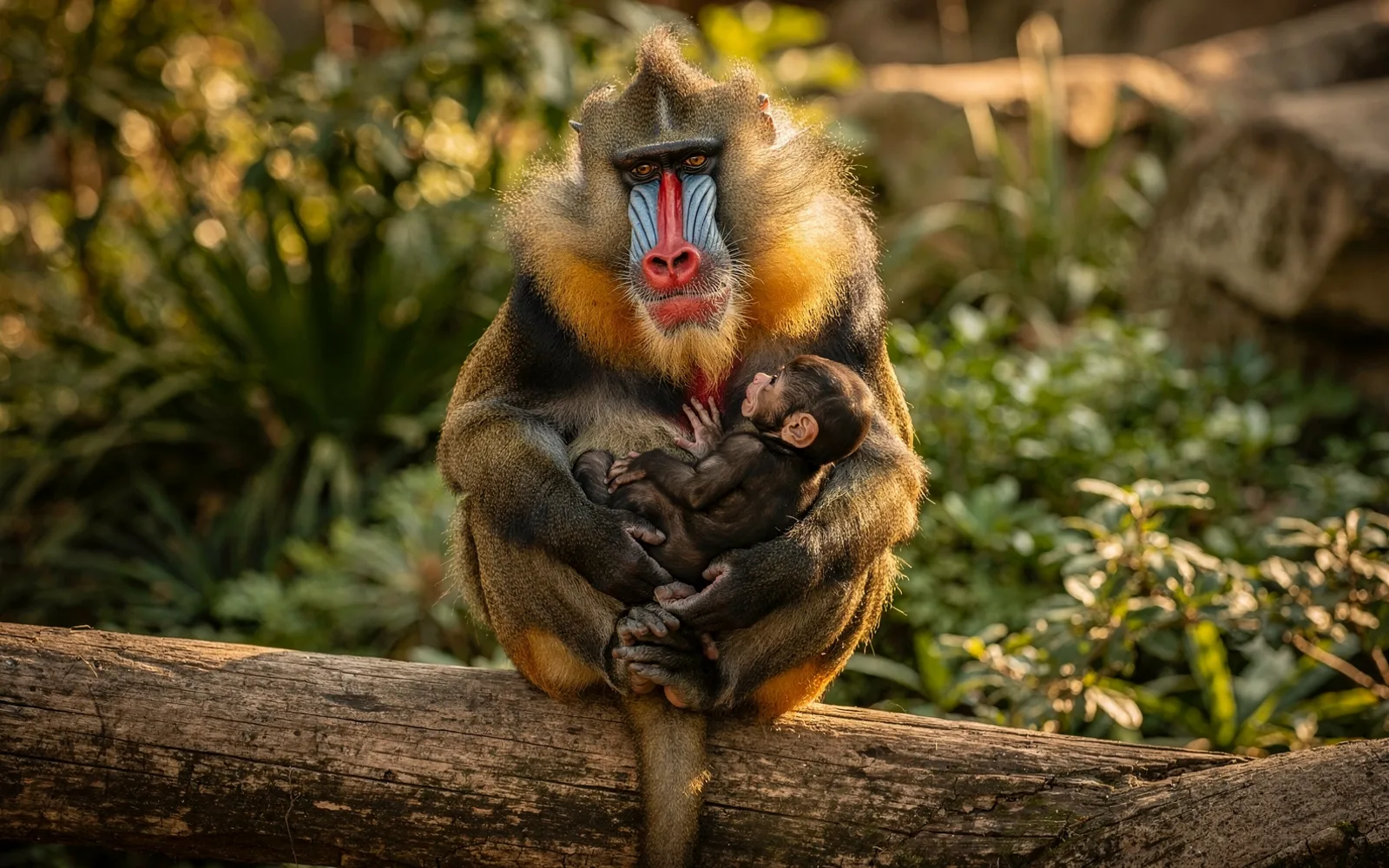
It's a boy: a baby mandrill for first-time parents at Audubon Zoo
A healthy male baby mandrill has arrived at Audubon Zoo in New Orleans, where first-time parents Lucy and Obi are caring for him.
 CAUSA
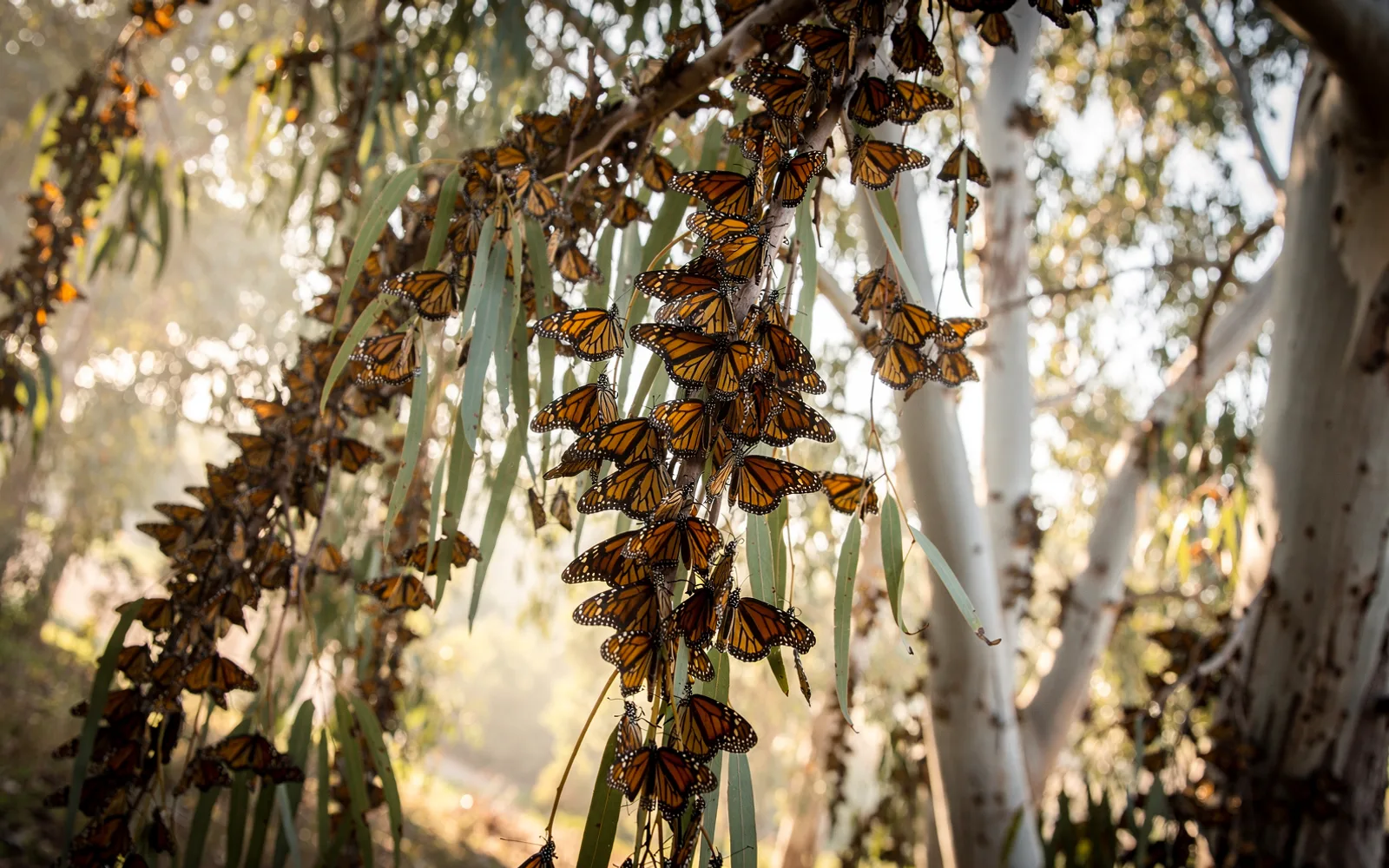
Volunteers head back to the groves for the mid-season monarch count
Community scientists across California and neighboring regions are preparing for the mid-season monarch count after early tallies showed nearly five thousand overwintering butterflies.
 DCUSA
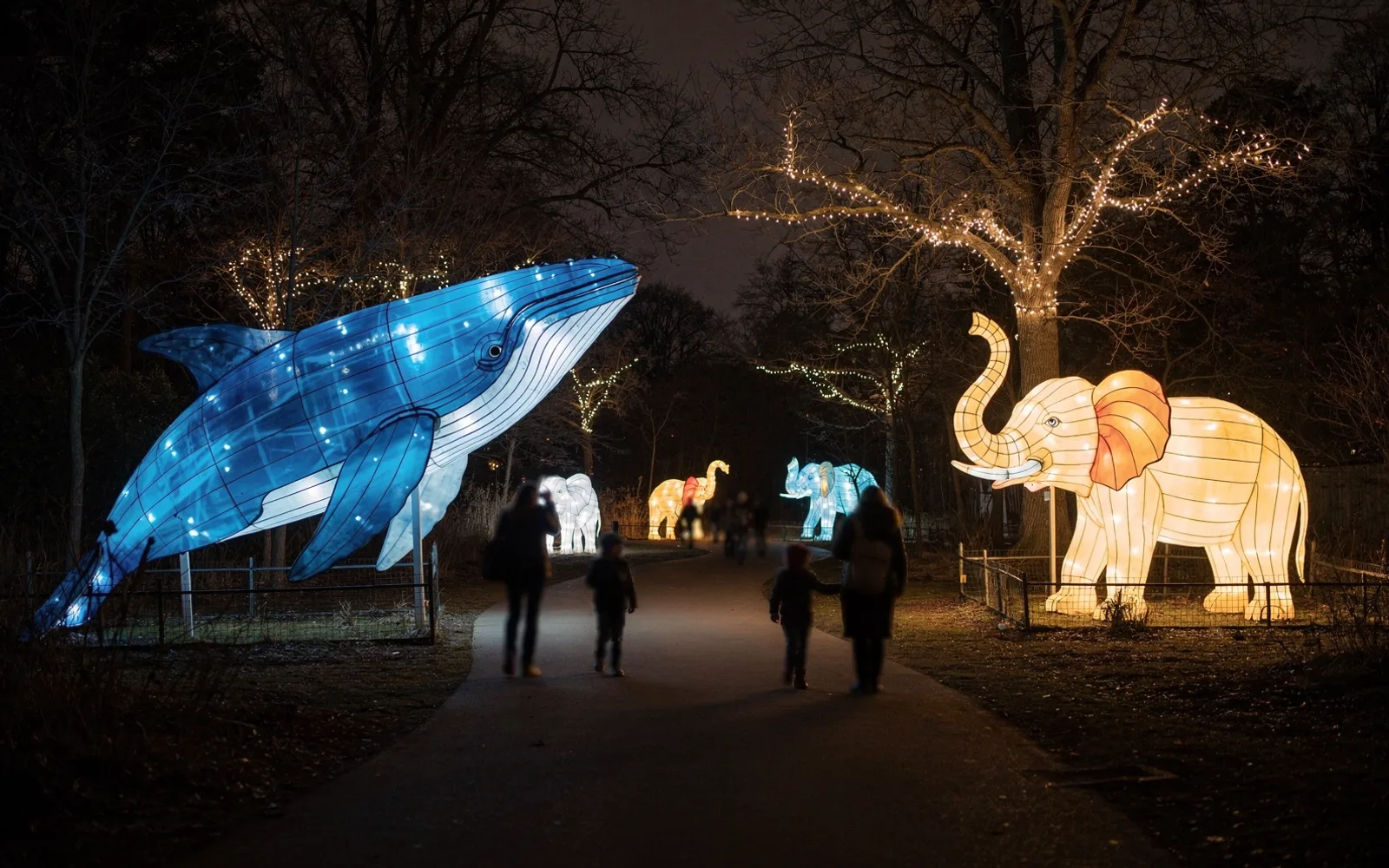
ZooLights returns to the National Zoo on November 20
The Smithsonian's National Zoo brings back its annual ZooLights tradition this November, inviting guests to explore glowing wildlife lanterns and seasonal pathways across select evenings.