Volunteers head back to the groves for the mid-season monarch count
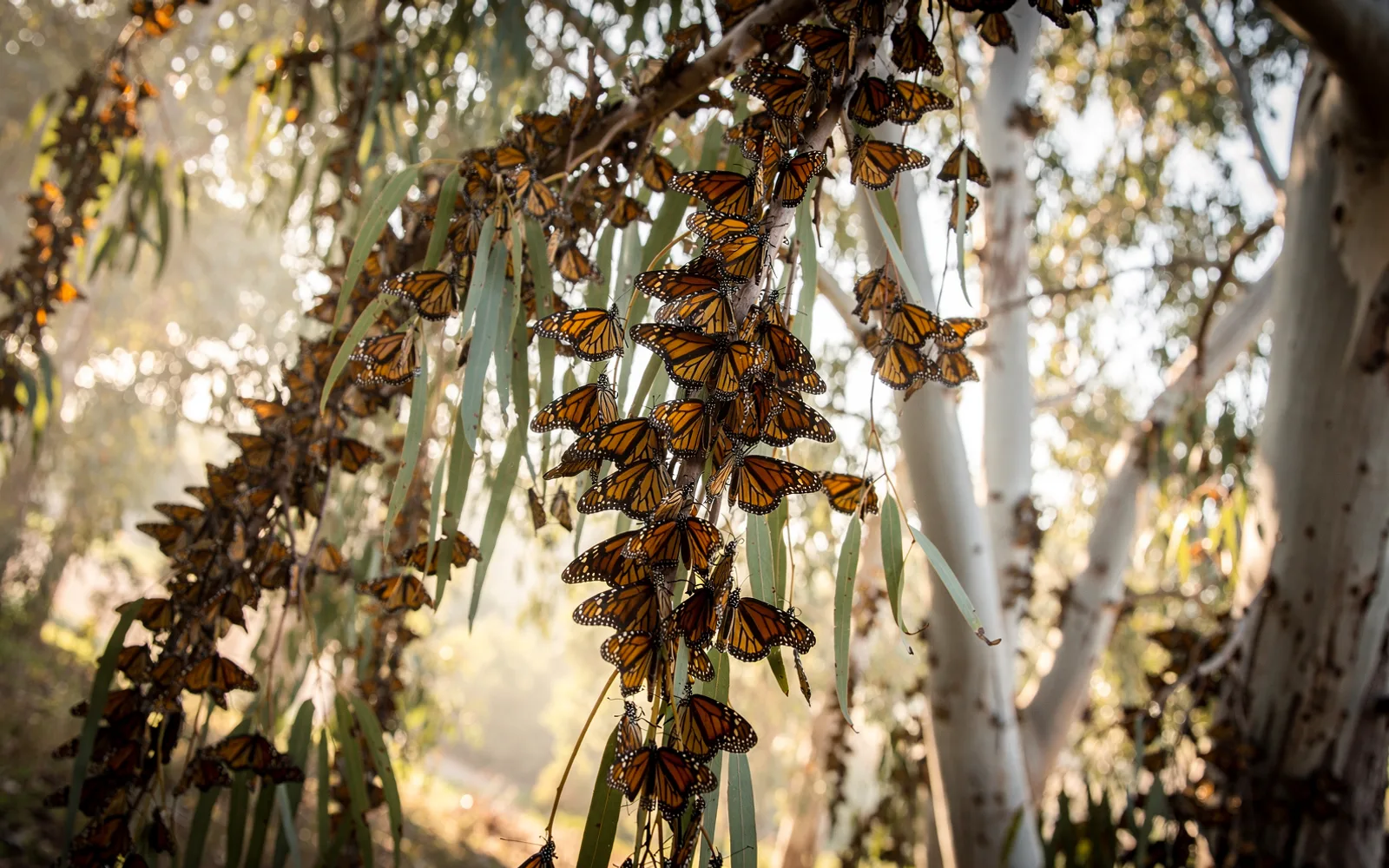
Community scientists across California and neighboring regions are preparing for the mid-season monarch count after early tallies showed nearly five thousand overwintering butterflies.
The 60-second version
- Early-season volunteer counts recorded nearly 5,000 western monarchs at more than 190 overwintering groves.
- The mid-season survey, formerly called the Thanksgiving count, runs from November 14 to December 6.
- Verified results from the 30th annual Western Monarch Count will be published in January.
Community scientists are preparing to return to overwintering groves along the western coast as the Xerces Society continues its annual Western Monarch Count. The monitoring initiative, now in its 30th year, documents western monarch butterflies at overwintering sites situated along the California coast, across northern Baja California, and at select inland locations within California and Arizona.
Fieldwork for the early-season count took place between October 17 and November 1, 2026. During that two-week stretch, dedicated volunteers visited more than 190 overwintering locations and recorded nearly 5,000 monarchs so far. Organizers caution that information is still being gathered from the field, with fully verified count results scheduled for publication in January.
Early patterns and historical trends
The preliminary tally from late October suggests this winter could follow a pattern similar to fall 2025. In the early census of 2025, community scientists counted 6,113 monarchs across 218 sites. While this year's early site count is slightly lower, monarch numbers usually climb steadily as November advances and butterflies continue arriving at their roosts.
Past surveys demonstrate how much grove tallies can change over the course of late autumn. Last fall, the total number of monarchs recorded across the region roughly doubled between the early-season effort and the mid-season census. Observers expect similar shifts as butterflies gather in larger numbers at traditional resting places.
Looking ahead to winter surveys
The mid-season count, which was formerly known as the Thanksgiving count, is scheduled to run from November 14 through December 6. This window represents a central checkpoint for measuring western monarch distribution across coastal and inland habitats.
After the mid-season survey wraps up, volunteers will prepare for the late-season count, which will take place between December 26 and January 10. Staging multiple count windows throughout late fall and early winter allows observers to trace the presence of monarchs across the season.
The role of community scientists
Carrying out these multi-state surveys requires a notable investment of time and energy from local community members. Volunteers generally commit 12 to 15 hours each season to inspect groves, tally clusters, and report their field data back to the program.
The value of this widespread effort was evident during the 2025 mid-season count, when participants documented about 12,260 monarchs distributed across 249 separate sites. Natural Bridges State Beach in Santa Cruz recorded the highest count among all surveyed locations last year. Organizers look forward to seeing what the upcoming mid-season survey will reveal as volunteers return to Natural Bridges and dozens of other overwintering sites this November.
This dispatch summarizes public information from Western Monarch Count / Xerces Society in our own words. Details such as dates and hours can change; check the original before you travel.
Elsewhere on the wire
 LAUSA
It's a boy: a baby mandrill for first-time parents at Audubon Zoo
A healthy male baby mandrill has arrived at Audubon Zoo in New Orleans, where first-time parents Lucy and Obi are caring for him.
 VAUSA
A Smithsonian-raised shrike turns up 30 miles from where she was released
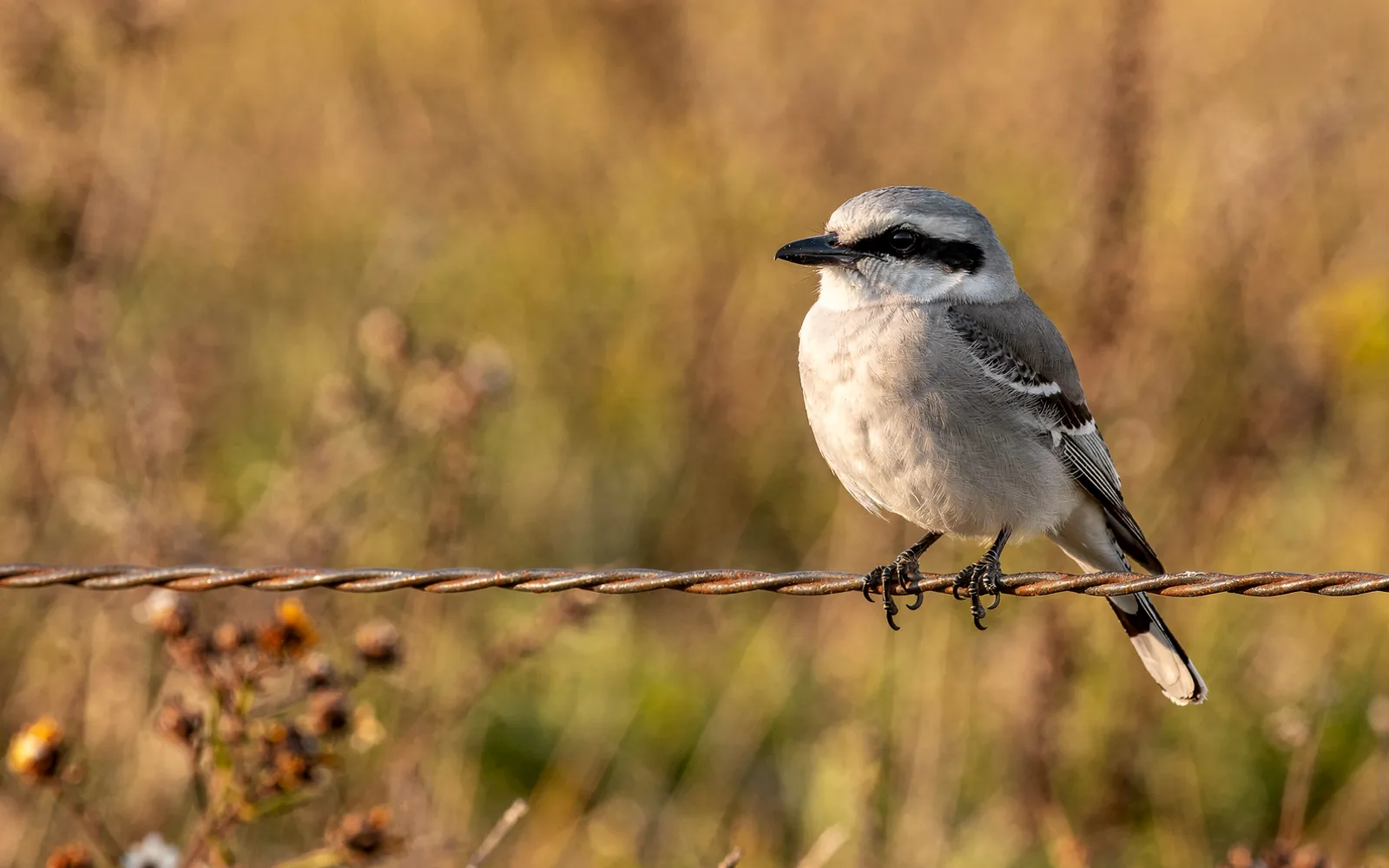
A young eastern loggerhead shrike hatched in Front Royal, Virginia, was spotted in Ontario, marking the start of her journey south.
 DCUSA
ZooLights returns to the National Zoo on November 20
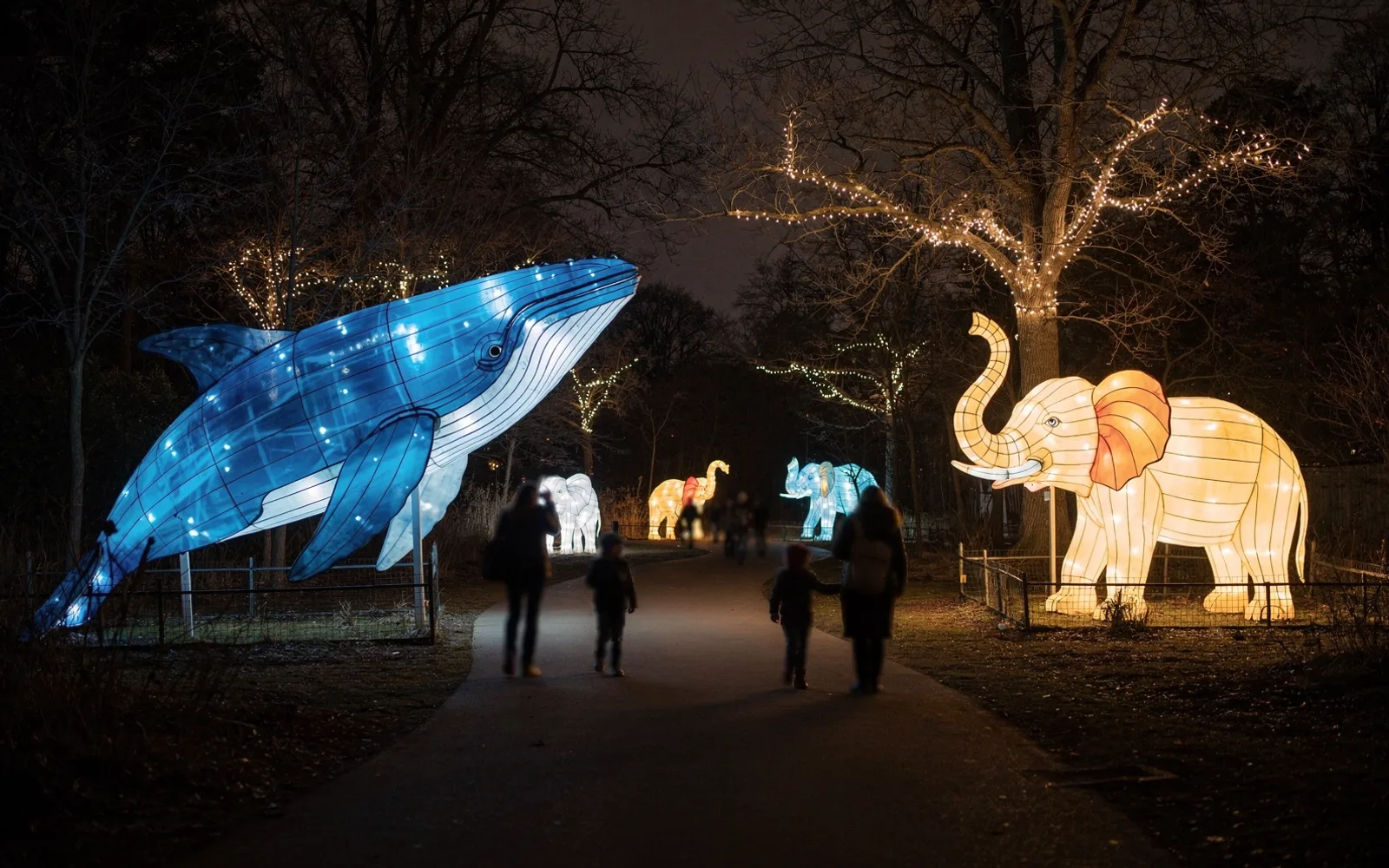
The Smithsonian's National Zoo brings back its annual ZooLights tradition this November, inviting guests to explore glowing wildlife lanterns and seasonal pathways across select evenings.