It's a boy: a baby mandrill for first-time parents at Audubon Zoo
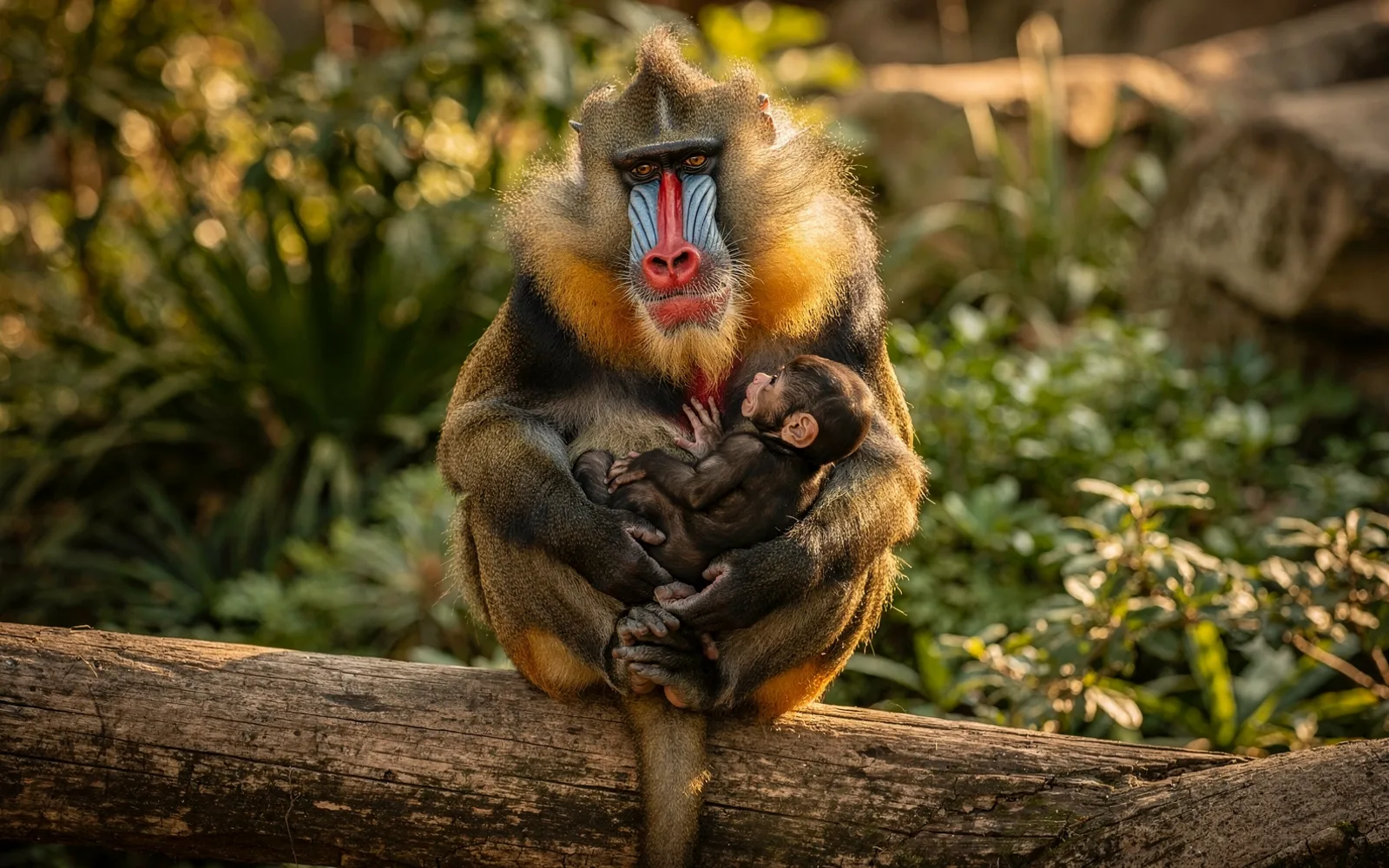
A healthy male baby mandrill has arrived at Audubon Zoo in New Orleans, where first-time parents Lucy and Obi are caring for him.
The 60-second version
- Audubon Zoo in New Orleans has welcomed a male baby mandrill born on October 30, 2026.
- First-time mother Lucy and father Obi are staying close to their healthy newborn.
- The infant has not yet been named, and visitors may spot him on exhibit.
Audubon Zoo in New Orleans has announced the birth of a male baby mandrill, expanding its primate family with the arrival of an active newcomer. The young monkey was born on October 30, 2026, to first-time parents Lucy and Obi. Care staff shared that both mother and infant are doing well, having navigated the birth and initial days with calm success.
According to the Audubon Nature Institute newsroom, the infant showed promising signs of vitality immediately following his delivery. The care team noted that he is strong, healthy, and has nursed well from the very start. He spends much of his time holding on securely, clinging tightly to his mother as she carries him throughout their quarters.
New parental roles
Fourteen-year-old Lucy has taken on her maternal duties with steady devotion, proving to be an attentive mother from the beginning. She keeps the infant held close to her body, shielding him and ensuring he remains warm and comfortable while he rests and nurses. Her watchful manner has allowed the small male to remain settled and secure through his first weeks of life.
Obi, also navigating parenthood for the first time, stays nearby as Lucy tends to their son. His presence near the mother and newborn offers steady familiarity, keeping the family unit connected while allowing Lucy the space she requires to care for the infant. The close proximity of both parents provides a calm environment for the baby as he grows.
Curious troop members
The birth has naturally caught the attention of the wider mandrill troop living at the zoo. Other members of the group have displayed an interest in the new baby, watching the pair with respectful curiosity as Lucy moves about with the newborn securely in her grasp.
Zoo caregivers reported that the troop has treated the mother and baby with respect, maintaining a peaceful distance while still taking note of the newest arrival. This respectful dynamic allows Lucy to introduce the infant to the sights and sounds of the troop at her own unhurried pace, supported by the quiet reactions of her troop mates.
Viewing the habitat
Visitors to Audubon Zoo may be able to catch a glimpse of the newborn, though viewing opportunities depend entirely on the mother's daily routine. The family has continuous access to an indoor habitat as well as their outdoor exhibit space, giving Lucy the choice of where she wants to spend her hours each day.
When Lucy chooses to spend time out on exhibit, guests along the viewing areas might spot the small male resting against her or holding tightly to her fur. The zoo noted that the young baby has not yet been named, and he will continue to spend these early weeks quietly bonding with Lucy and Obi.
This dispatch summarizes public information from Audubon Nature Institute newsroom in our own words. Details such as dates and hours can change; check the original before you travel.
Elsewhere on the wire
 VAUSA
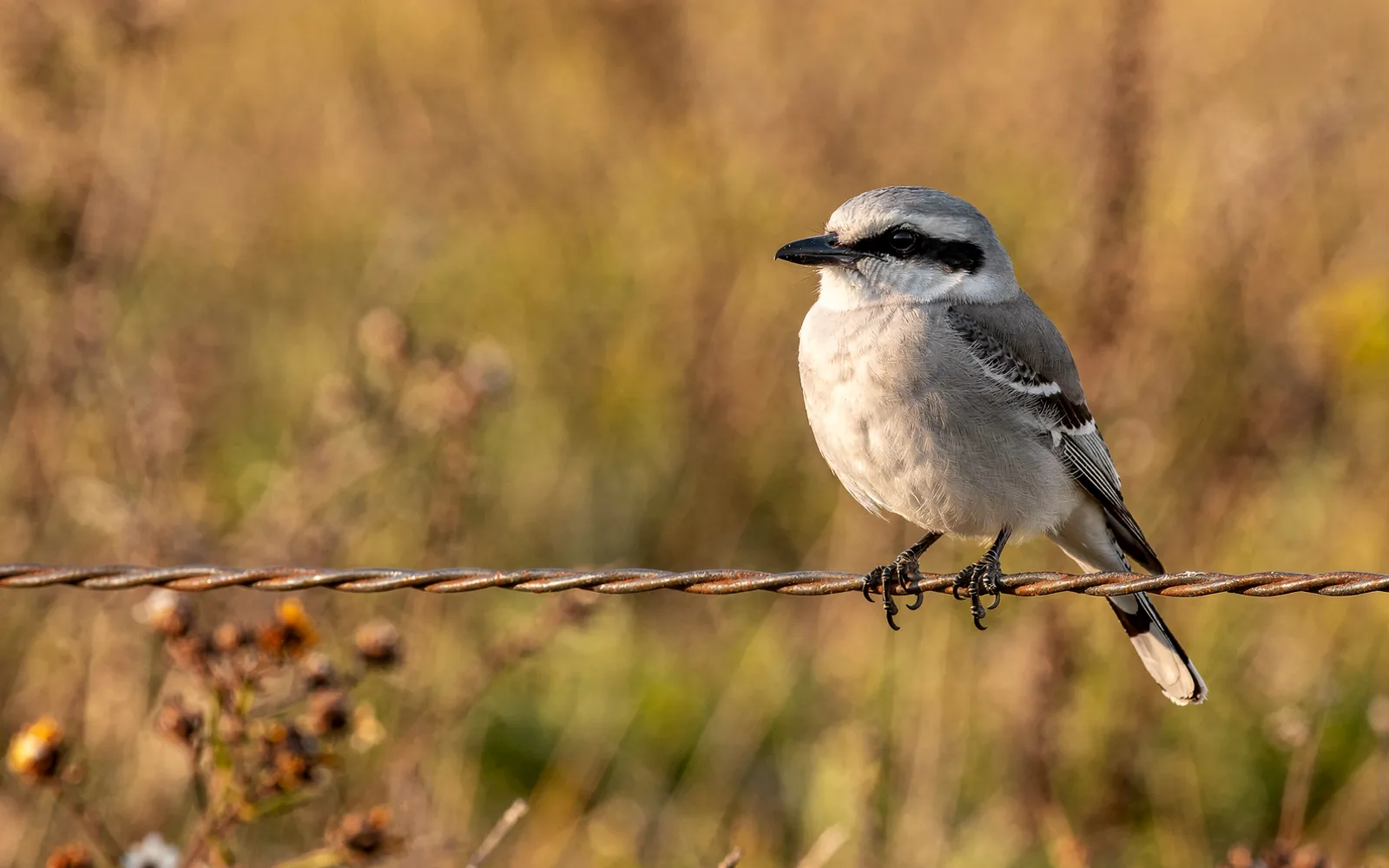
A Smithsonian-raised shrike turns up 30 miles from where she was released
A young eastern loggerhead shrike hatched in Front Royal, Virginia, was spotted in Ontario, marking the start of her journey south.
 CAUSA
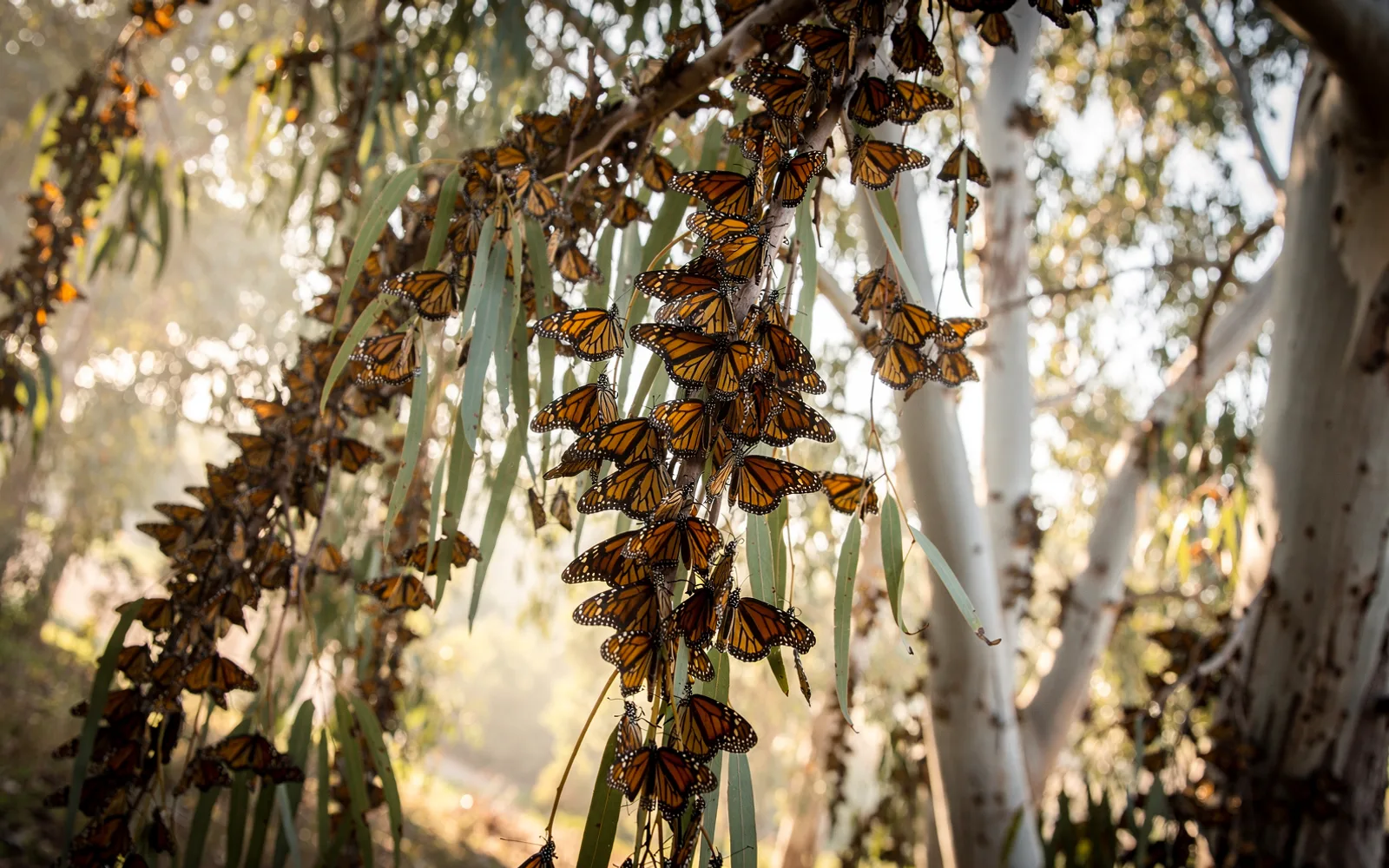
Volunteers head back to the groves for the mid-season monarch count
Community scientists across California and neighboring regions are preparing for the mid-season monarch count after early tallies showed nearly five thousand overwintering butterflies.
 DCUSA
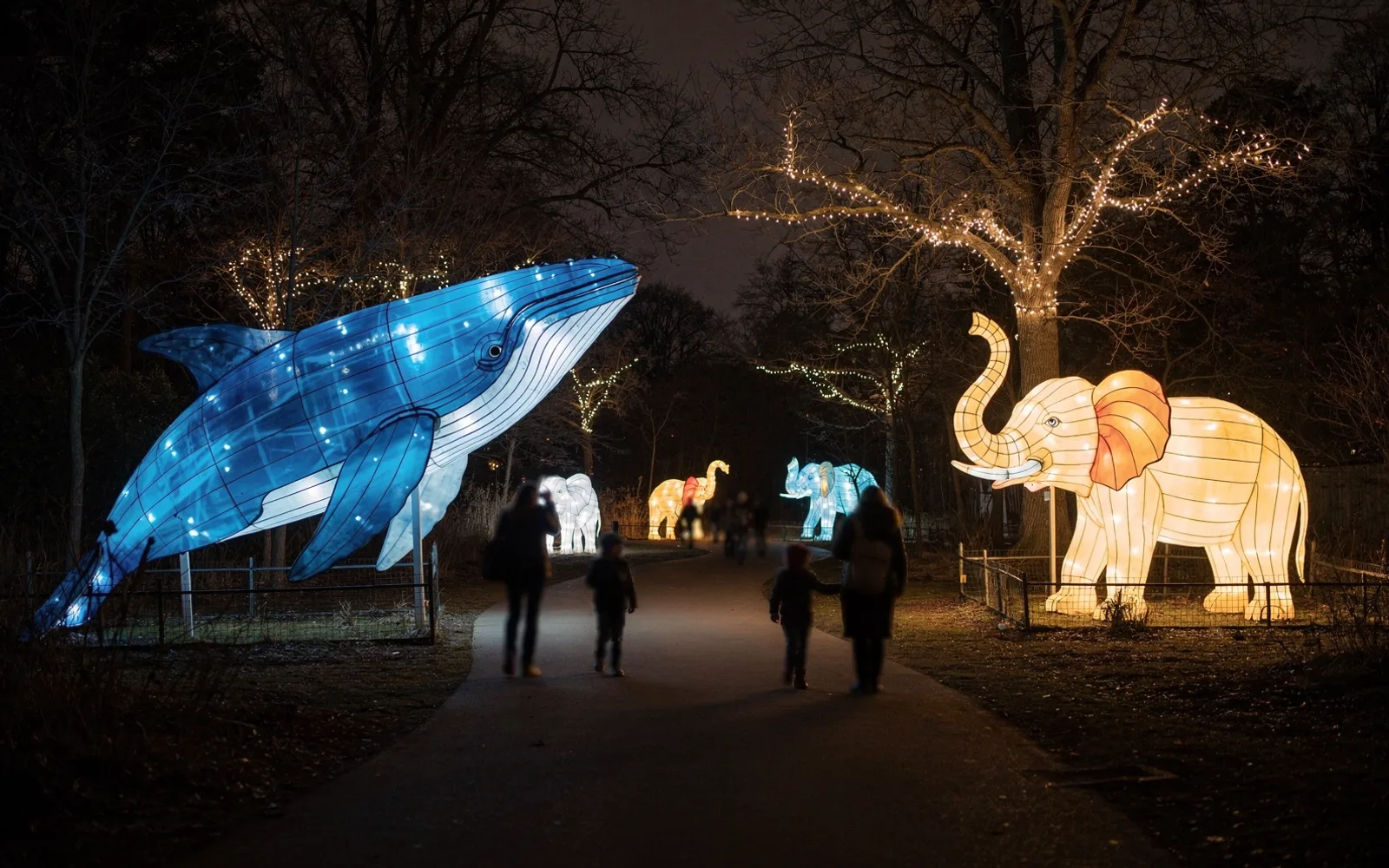
ZooLights returns to the National Zoo on November 20
The Smithsonian's National Zoo brings back its annual ZooLights tradition this November, inviting guests to explore glowing wildlife lanterns and seasonal pathways across select evenings.