Jacksonville Zoo welcomes its first baby bonobo in a decade
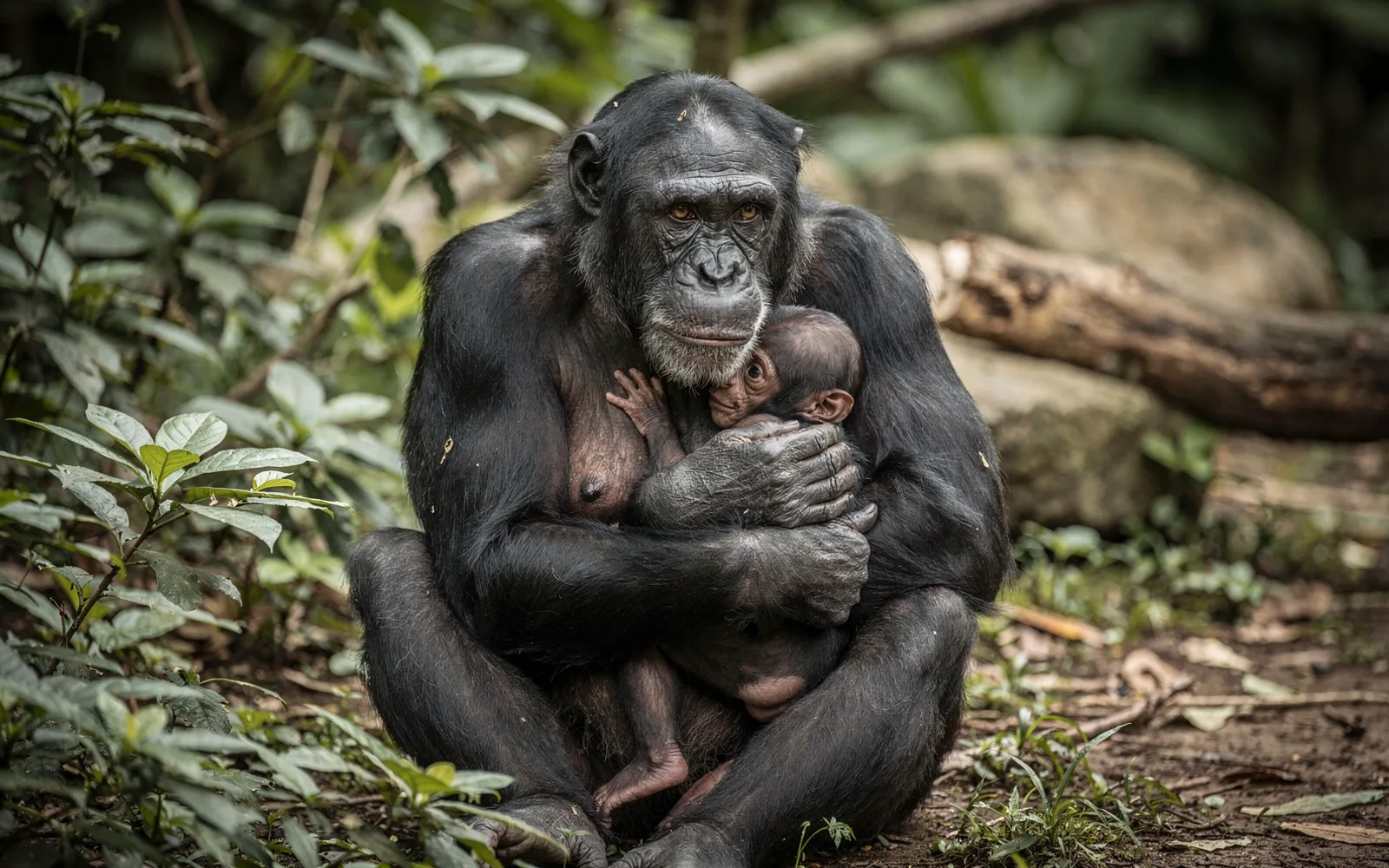
Caregivers at the Jacksonville Zoo and Botanical Gardens are monitoring mother Kimia and her newborn after the facility's first bonobo birth in ten years.
The 60-second version
- Kimia, a 27-year-old bonobo, gave birth on Tuesday night at the Jacksonville Zoo and Botanical Gardens.
- The infant is the first of its species born at the zoo in a decade, and both mother and baby are doing well.
- Visitors may spot the pair in the Primate Forest habitat, where the mother can choose between indoor and outdoor spaces.
A newborn bonobo arrived late Tuesday evening at the Jacksonville Zoo and Botanical Gardens, marking the facility's first birth of the endangered great ape species in a decade. Twenty-seven-year-old mother Kimia gave birth just before 10 p.m. on November 3, 2026. The infant's arrival represents a notable milestone for the Florida zoo and its dedicated primate care team.
According to the zoo, both Kimia and her newborn are doing well following the delivery. The father of the new arrival is Makanza, an adult resident of the troop. Caregivers are quietly observing the pair as they begin their initial days together, ensuring that the mother and baby have peaceful time to bond.
Time to rest and settle
The animal care team is actively monitoring the mother and infant from a respectful distance while giving them adequate space to adjust. Because caregivers have prioritized quiet bonding, the sex of the young ape has not yet been determined. Staff members continue to keep a watchful eye on Kimia's maternal care and the newborn's early milestones.
Guests visiting the grounds may be able to catch a glimpse of the growing family inside the zoo's Primate Forest habitat. Kimia can choose how to navigate her surroundings as she pleases, moving between sheltered indoor rooms and open outdoor areas depending on her comfort. This flexible arrangement allows the mother to seek quiet seclusion whenever she desires.
A distinctive Central African primate
Bonobos are native to the dense forests of Central Africa and hold the distinction of being the smallest of all the great apes. An adult bonobo generally reaches a weight of no more than about 100 pounds. Despite their classification alongside other large primates, their overall build remains notably lean and agile.
While they share some visual similarities with chimpanzees, bonobos feature several clear physical distinctions. They possess smaller heads and visibly longer legs in proportion to their bodies compared to their close relatives. Today, the species faces an endangered status in the wild, making every captive birth an important event for zoological science.
Partnerships for species survival
Protecting the species requires dedicated coordination across institutions and field researchers. In 2025, bonobos were officially recognized as a SAFE species under the Association of Zoos and Aquariums, a designation focused on saving animals from extinction through targeted conservation strategies. This framework guides member facilities as they manage populations and share data.
The Jacksonville Zoo and Botanical Gardens plays an active, foundational part in these ongoing cooperative efforts. The facility is a founding member of the Bonobo Management Partnership, working closely with other dedicated organizations to sustain the species. The arrival of Kimia and Makanza's baby adds a hopeful new chapter to that long-term commitment.
This dispatch summarizes public information from Florida Times-Union / Jacksonville Zoo and Botanical Gardens in our own words. Details such as dates and hours can change; check the original before you travel.
Elsewhere on the wire
 LAUSA
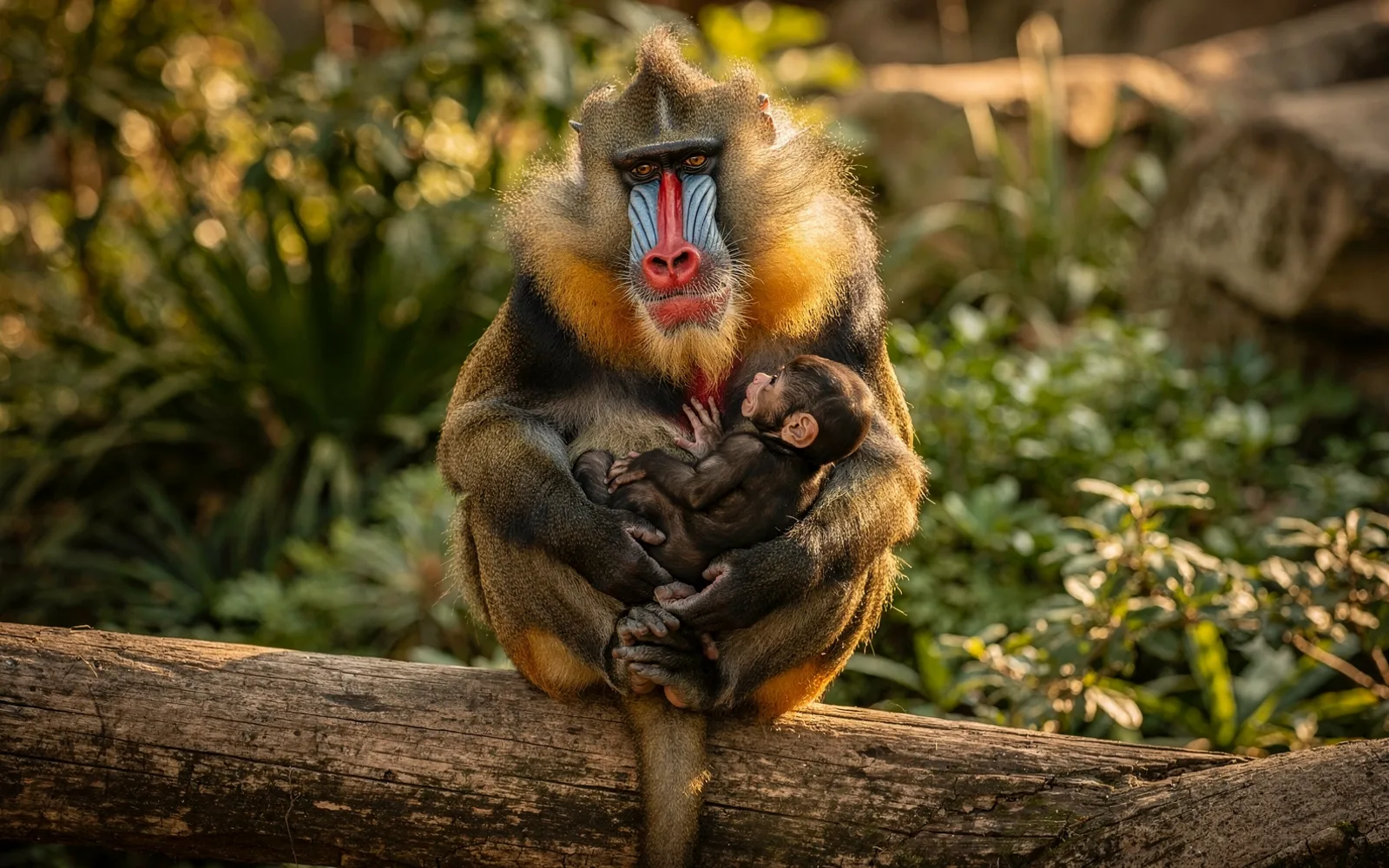
It's a boy: a baby mandrill for first-time parents at Audubon Zoo
A healthy male baby mandrill has arrived at Audubon Zoo in New Orleans, where first-time parents Lucy and Obi are caring for him.
 VAUSA
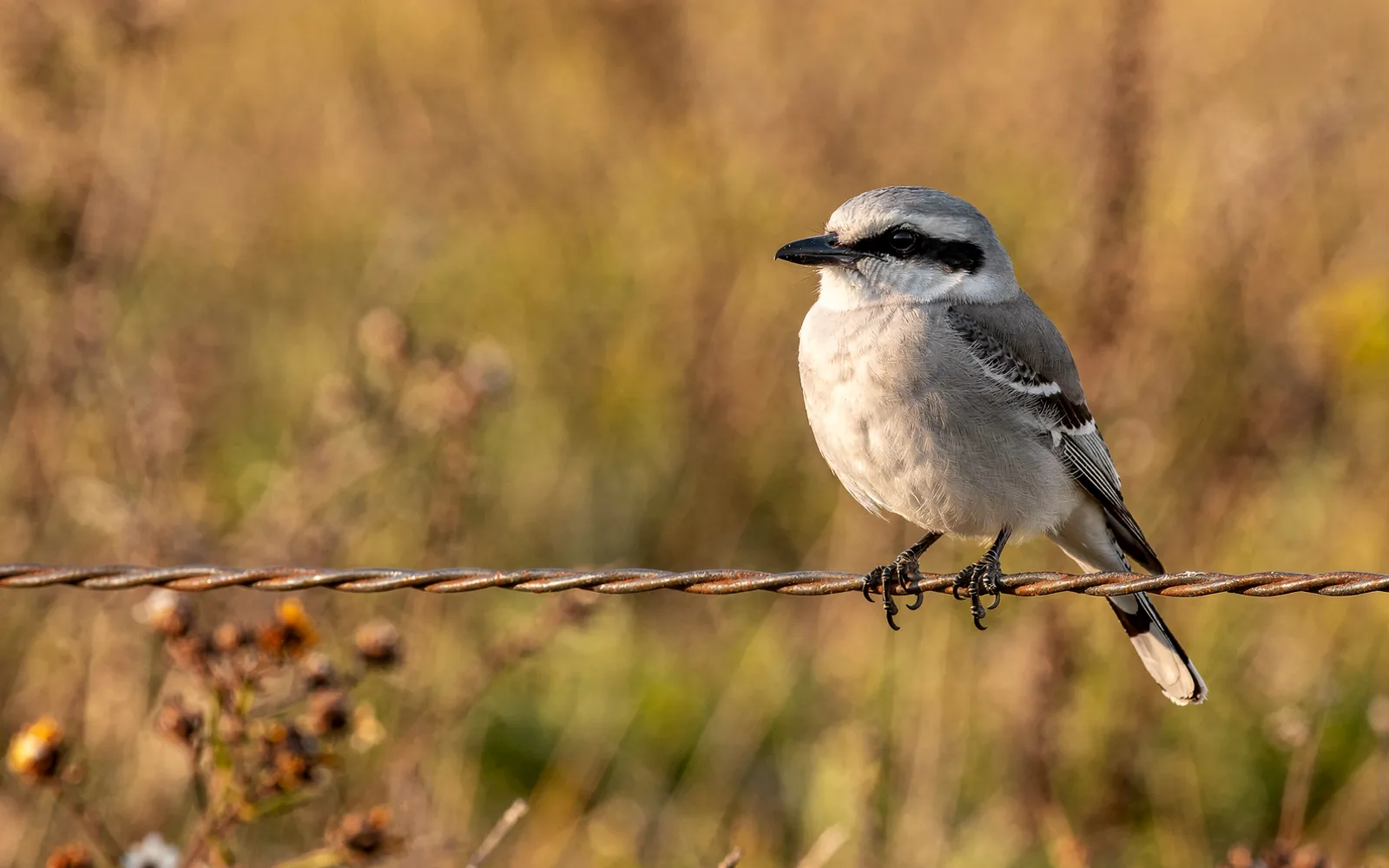
A Smithsonian-raised shrike turns up 30 miles from where she was released
A young eastern loggerhead shrike hatched in Front Royal, Virginia, was spotted in Ontario, marking the start of her journey south.
 DCUSA
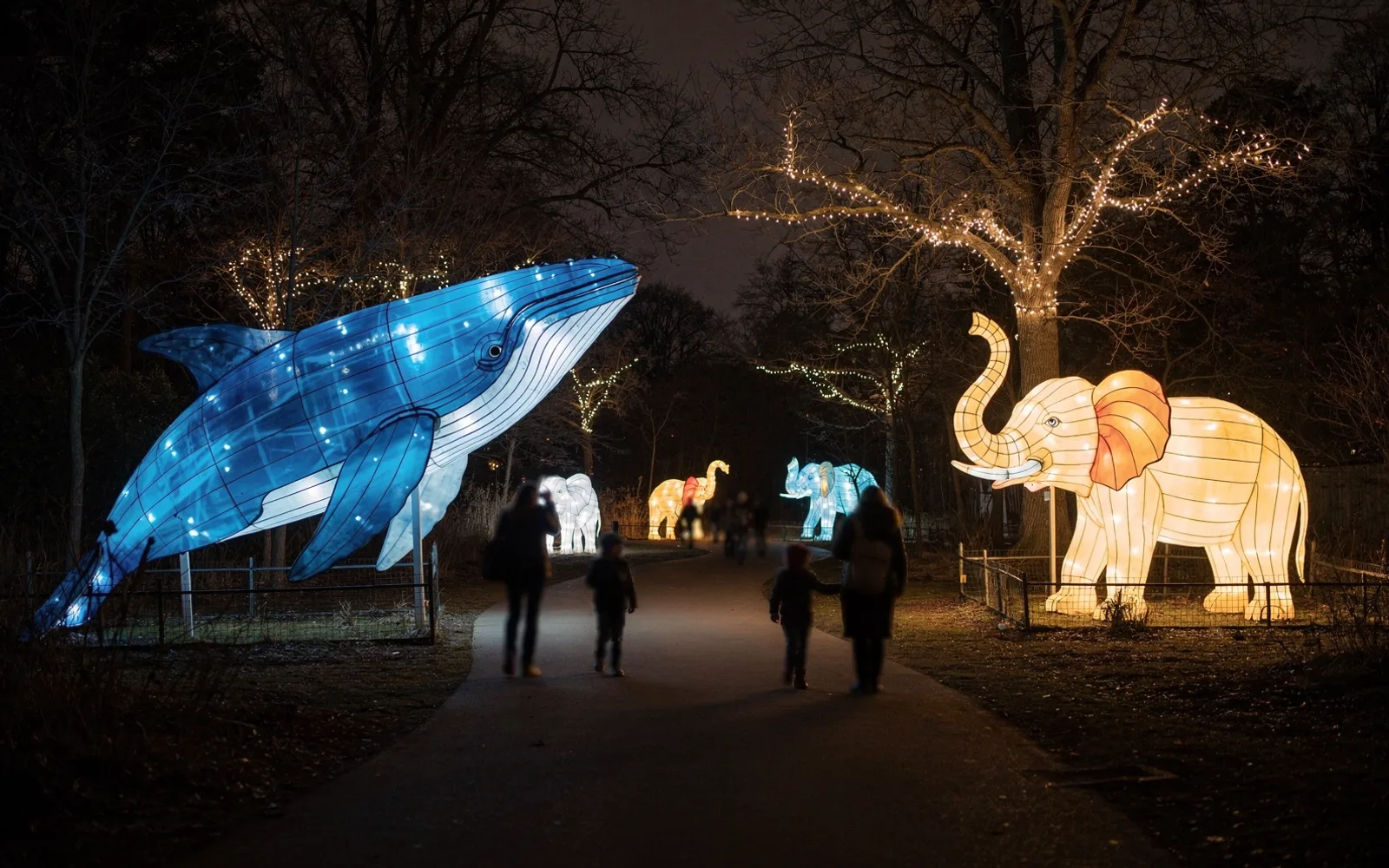
ZooLights returns to the National Zoo on November 20
The Smithsonian's National Zoo brings back its annual ZooLights tradition this November, inviting guests to explore glowing wildlife lanterns and seasonal pathways across select evenings.