A Yale junior names a 50-million-year-old sawfly from a Colorado quarry
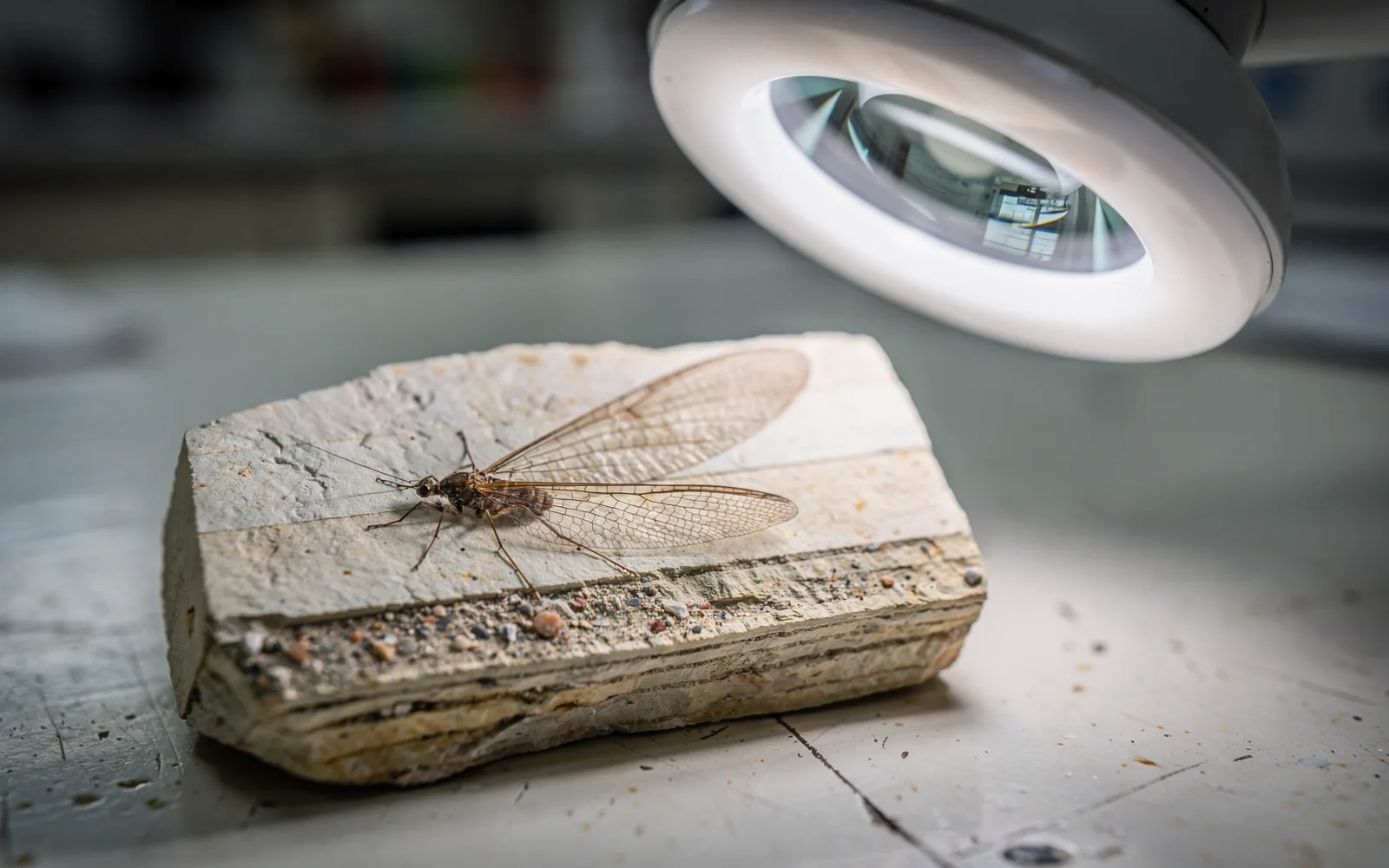
A Yale undergraduate studying ancient insects has identified and described a 50-million-year-old fossil sawfly collected from lake deposits in western Colorado.
The 60-second version
- Leah Mock described a new 50-million-year-old sawfly species named Anoplonyx rasnitsyni from Colorado rock layers.
- The fossil specimen is complete except for its legs and reveals unique wing and antenna details under magnification.
- The discovery was published in the journal Mesozoic alongside collaborators from Paris.
A 50-million-year-old fossil insect from western Colorado has officially received its scientific description, thanks to an investigation led by a Yale College undergraduate. Leah Mock, a junior majoring in earth and planetary sciences with a concentration in paleontology and geobiology, identified the newly recognized sawfly species as Anoplonyx rasnitsyni. Mock reported the discovery in the journal Mesozoic alongside coauthors Andre Nel and Mathieu Boderau, who are researchers based at the Institut de Systematique, Evolution, Biodiversite in Paris.
The fossil came from the Green River Formation, a well-known geologic layer that Mock visited directly during scientific fieldwork at a remote quarry in western Colorado. The ancient rock layers record an epoch roughly 50 million years ago known as the Eocene. During this period of Earth history, the Green River Formation took shape across the region as an extensive series of lakes set quietly between mountains.
Wing and antenna traits
The Colorado fossil specimen is exceptionally preserved, remaining complete across its body except for its legs. To recognize the creature as a distinct and previously unnamed species, Mock focused on subtle physical clues that require close laboratory inspection. The tiny animal reveals its unique identity through microscopic structures that distinguish it from all known relatives.
In particular, Mock separated the species from other sawflies by identifying a tiny vertical vein positioned within the wing. She also identified specific structural details along the insect antennae that become visible only when placed beneath a microscope. Sawflies are members of the hymenopterans, a major insect group that includes modern bees, ants, and wasps.
The museum collection
Before arriving on a laboratory workbench for detailed analysis, the fossil passed through the hands of dedicated finders. The ancient insect was first discovered in the field by Dick King. Following the discovery, the specimen was gifted to the Yale Peabody Museum by Jim Barkley, allowing it to become part of the university scientific holdings.
The fossil sawfly now resides in New Haven as part of a remarkably deep regional archive. It stands as one of more than 15,000 individual Green River Formation specimens currently protected within the collections of the Peabody Museum. This expansive assemblage provides scientists with a lasting window into the diverse organisms that lived around the Eocene lake system.
From high school to fieldwork
For Mock, the publication of Anoplonyx rasnitsyni marks a milestone along a scientific journey that began years earlier in Connecticut. A resident of New Haven, she first became involved with the Peabody Museum as a teenager by participating in its EVOLUTIONS program for local high school students.
That initial engagement with museum paleontology later evolved into formal university training in geobiology, dedicated rock examinations, and field trips to Colorado quarry exposures. Her recent study demonstrates how specimens in regional museum cabinets, when paired with meticulous student research and microscopic analysis, continue to expand our view of ancient insect life.
This dispatch summarizes public information from Yale University via Phys.org in our own words. Details such as dates and hours can change; check the original before you travel.
Elsewhere on the wire
 UTUSA
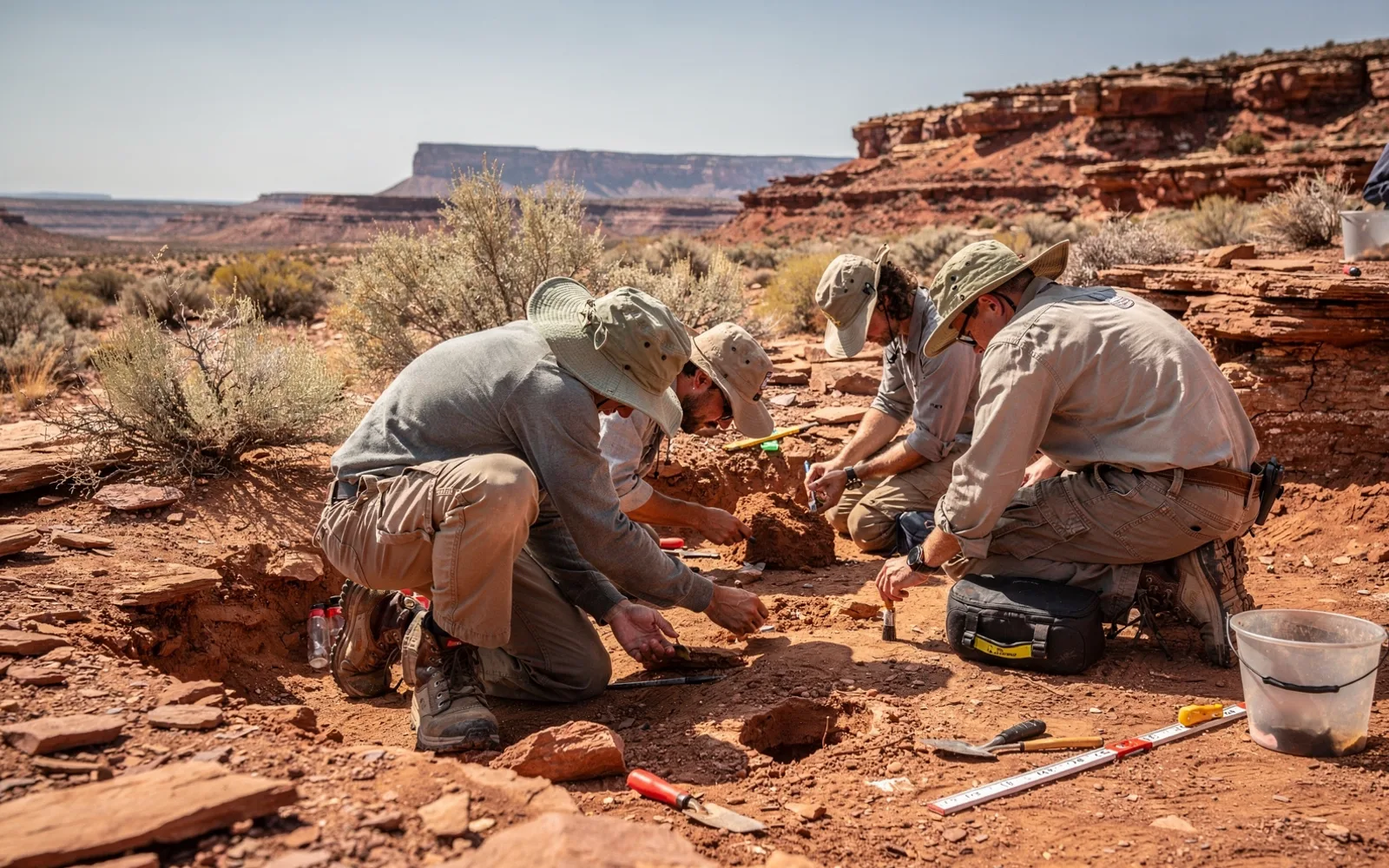
A new dig near Arches may hold a never-before-seen armored dinosaur
Researchers working near Arches National Park have begun uncovering an early Cretaceous bonebed containing turtle remains and what appears to be a new armored dinosaur species.
 DCUSA
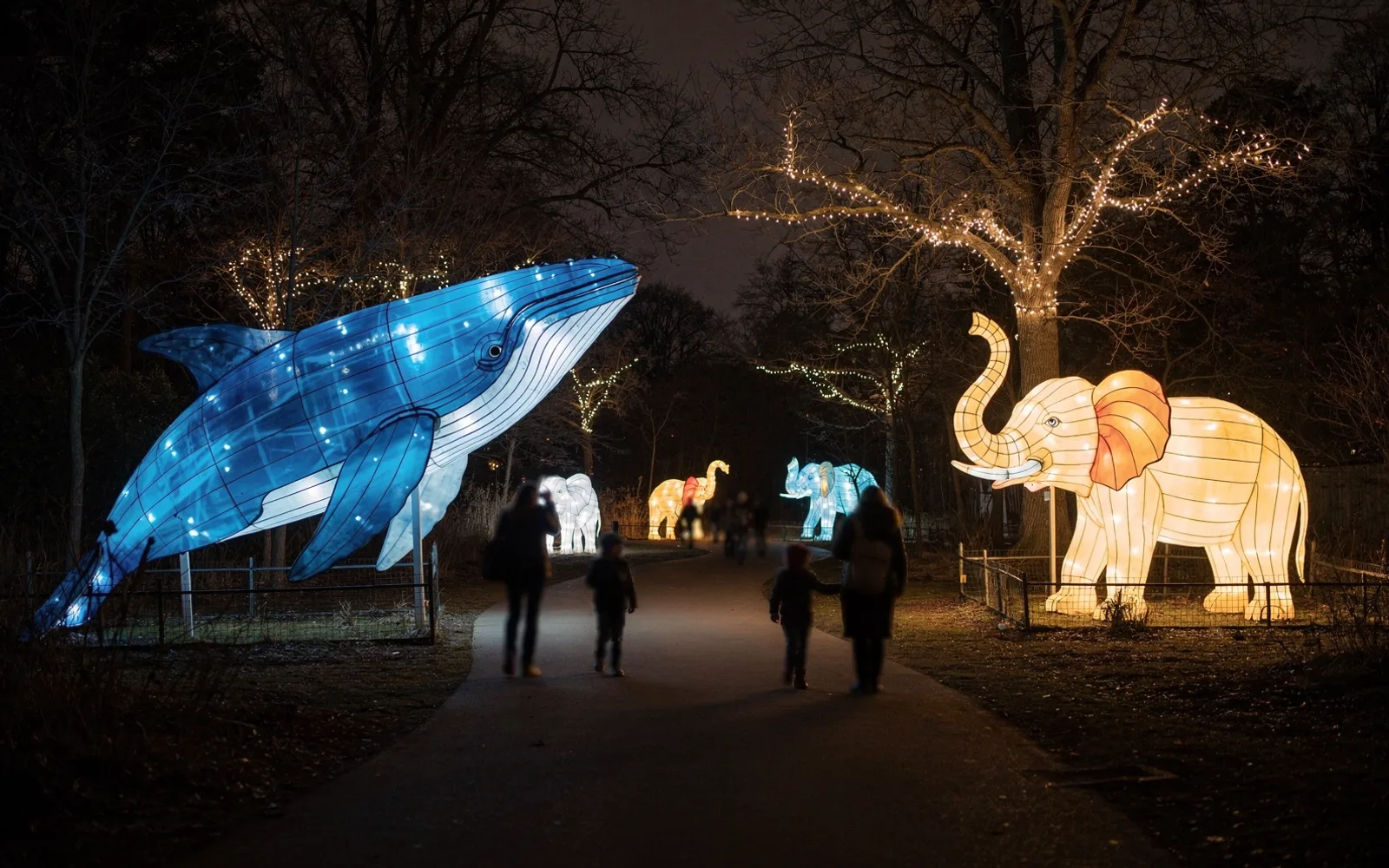
ZooLights returns to the National Zoo on November 20
The Smithsonian's National Zoo brings back its annual ZooLights tradition this November, inviting guests to explore glowing wildlife lanterns and seasonal pathways across select evenings.
 ILUSA
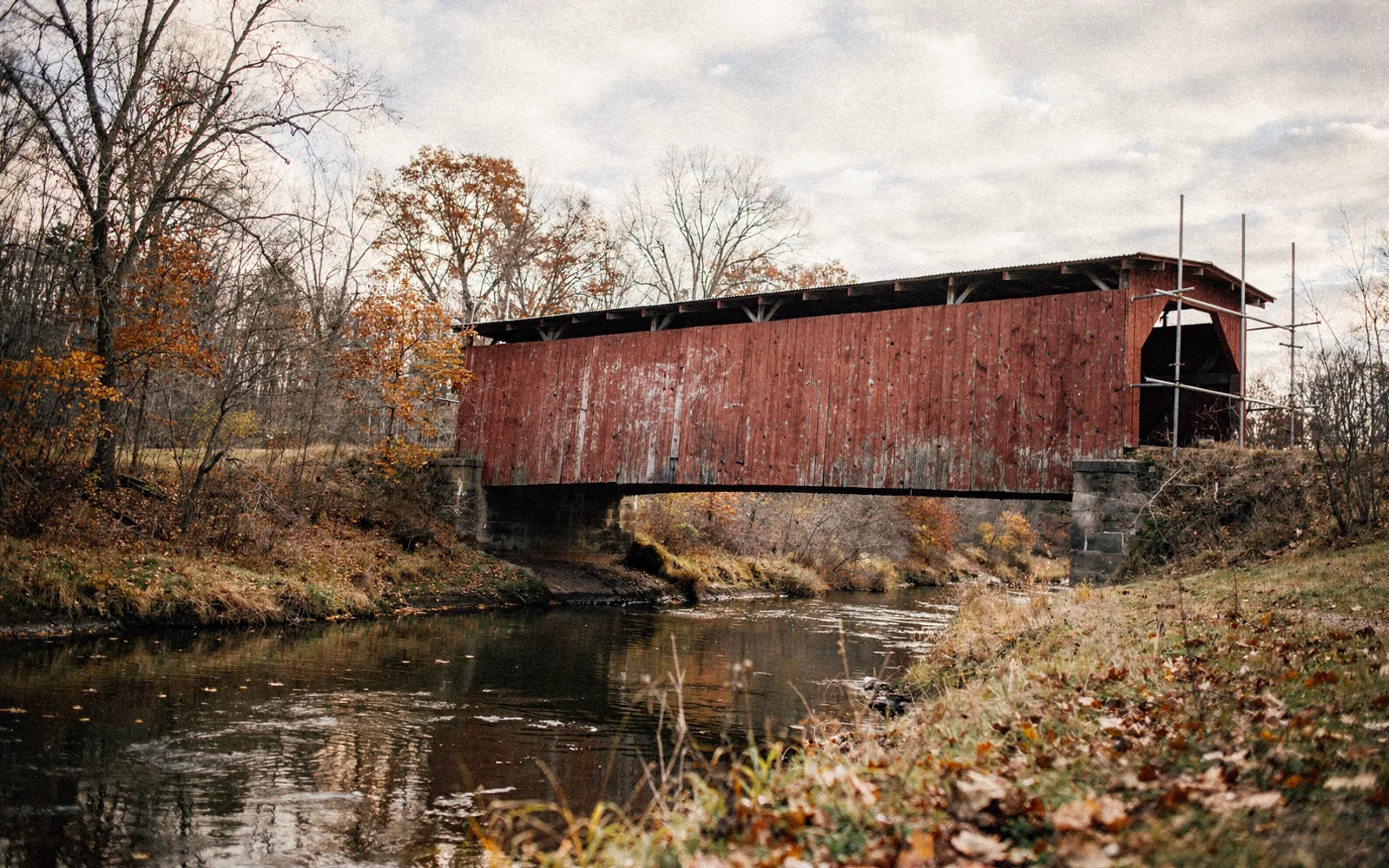
Repairs begin on Princeton's 163-year-old Red Covered Bridge
Work is underway on the historic Red Covered Bridge in Princeton, Illinois, where a two-phase repair project will protect the 163-year-old crossing for drivers.