A new dig near Arches may hold a never-before-seen armored dinosaur
Researchers working near Arches National Park have begun uncovering an early Cretaceous bonebed containing turtle remains and what appears to be a new armored dinosaur species.
The 60-second version
- The Utah Geological Survey opened an excavation known as the Ironstone Bonebed in Grand County.
- Dating to early Cretaceous times, the site contains multiple dinosaur types and turtle remains.
- Scientists believe an armored dinosaur found there represents an entirely new species.
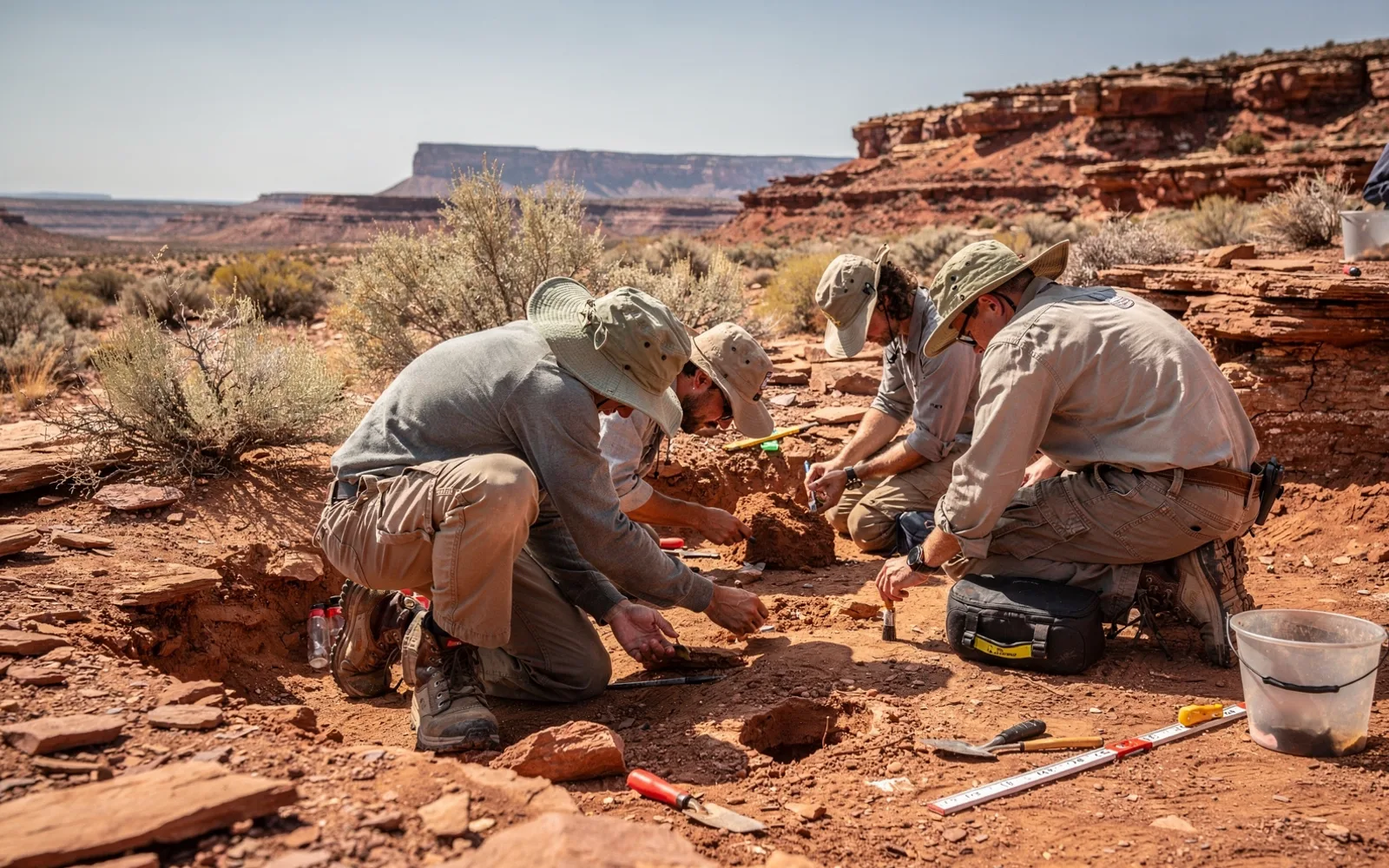
In mid-October 2026, researchers with the Utah Geological Survey began excavating a promising fossil deposit known as the Ironstone Bonebed. The dig sits on Bureau of Land Management land near the northern border of Arches National Park in Grand County, Utah. Scientists gathered at the location to carefully remove rock layers that have kept the area quiet for tens of millions of years.
According to State Paleontologist Jim Kirkland, the rock layer is estimated to be between 138 and 141 million years old. This placement puts the site in the early stages of the Cretaceous Period. Kirkland notes that the deposit is tied as potentially the oldest Cretaceous dinosaur bonebed yet identified in North America, giving researchers an unusual window into a poorly understood chapter of ancient life.
Diverse fossil remains
Early findings suggest that the ground holds an assortment of prehistoric creatures. Kirkland believes the recovered bones represent at least four distinct dinosaur varieties, along with turtle material preserved in the same deposit. The dinosaurs identified so far include an armored plant-eater, an iguanodont herbivore, and likely two types of meat-eaters, one small and the other larger.
Paleontologists stress that field work is in its initial phases, and more examination will be required to confirm the precise identities of every specimen. Even so, the combination of plant-eaters, carnivores, and freshwater reptiles points to a thriving local habitat. Each fragment pulled from the rock helps clarify how different animal groups lived together during this early stretch of the Cretaceous.
A tribute to a retiring scientist
Among the most notable discoveries at the Ironstone Bonebed is the armored dinosaur, which appears to be a species previously unknown to science. Kirkland is currently drafting a formal description of the creature. He intends to name the animal in tribute to his longtime working partner, Assistant State Paleontologist Don DeBlieux, who is stepping down into retirement.
The naming honors decades of collaborative field work and shared research throughout the canyonlands and plateaus of Utah. Dedicating a newly recognized species to DeBlieux marks a personal milestone for the team, celebrating a career spent piecing together the deep history of the state.
Understanding a changing world
Beyond individual discoveries, the site holds broader value for understanding planetary history. The bonebed may help explain how North American dinosaur communities reorganized following a major extinction event near the end of the Jurassic Period. That ancient ecological shift brought an end to the familiar creatures of the Morrison Formation, including widespread icons like Stegosaurus and Allosaurus.
By examining how new dinosaur groups took root in the wake of those losses, researchers hope to trace the recovery and evolution of early Cretaceous ecosystems. The ongoing work near the boundary of Arches National Park will gradually bring that transitional world into sharper focus as field crews continue their delicate recovery efforts.
This dispatch summarizes public information from Utah Geological Survey in our own words. Details such as dates and hours can change; check the original before you travel.
Elsewhere on the wire
 COUSA
A Yale junior names a 50-million-year-old sawfly from a Colorado quarry
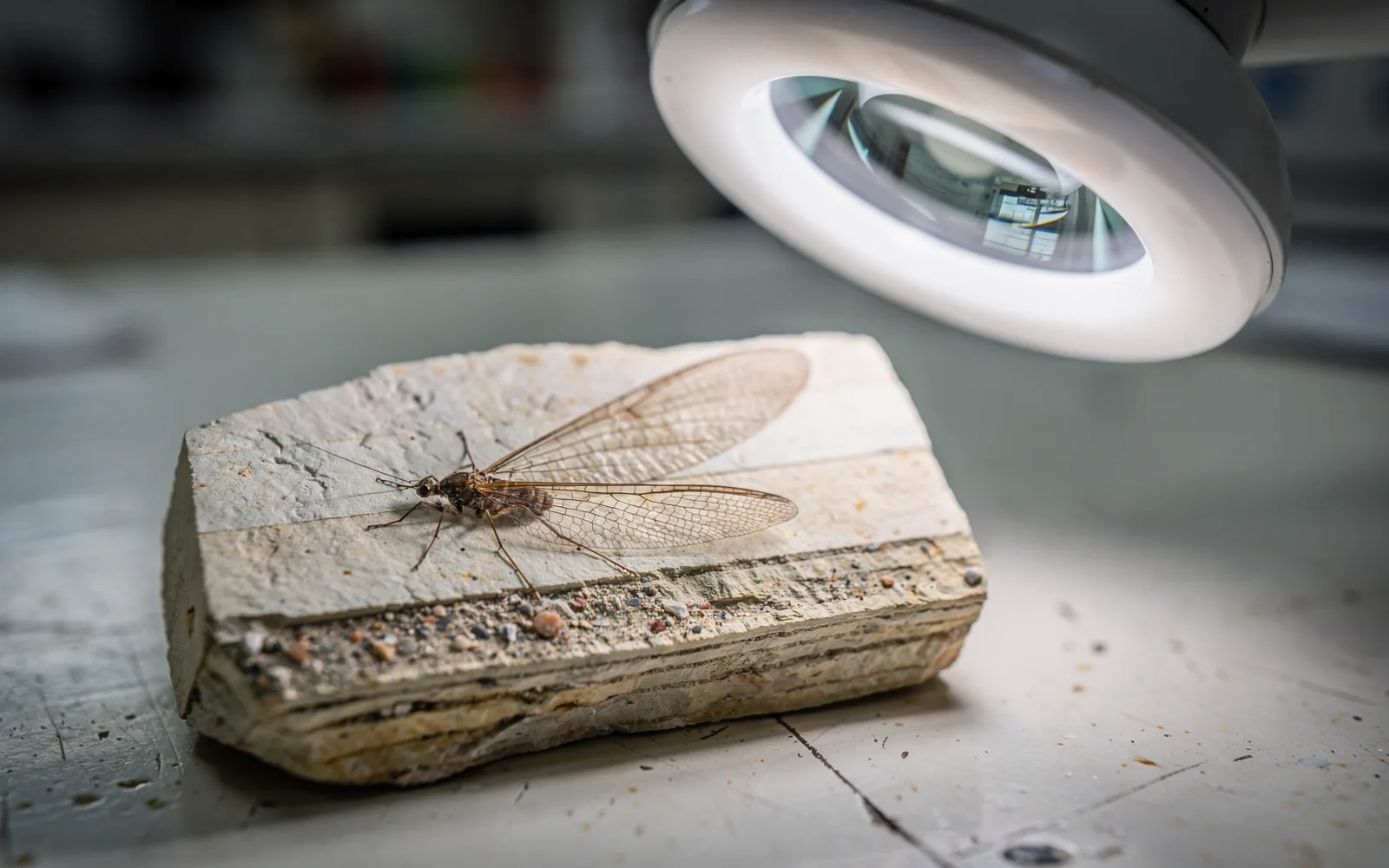
A Yale undergraduate studying ancient insects has identified and described a 50-million-year-old fossil sawfly collected from lake deposits in western Colorado.
 DCUSA
ZooLights returns to the National Zoo on November 20
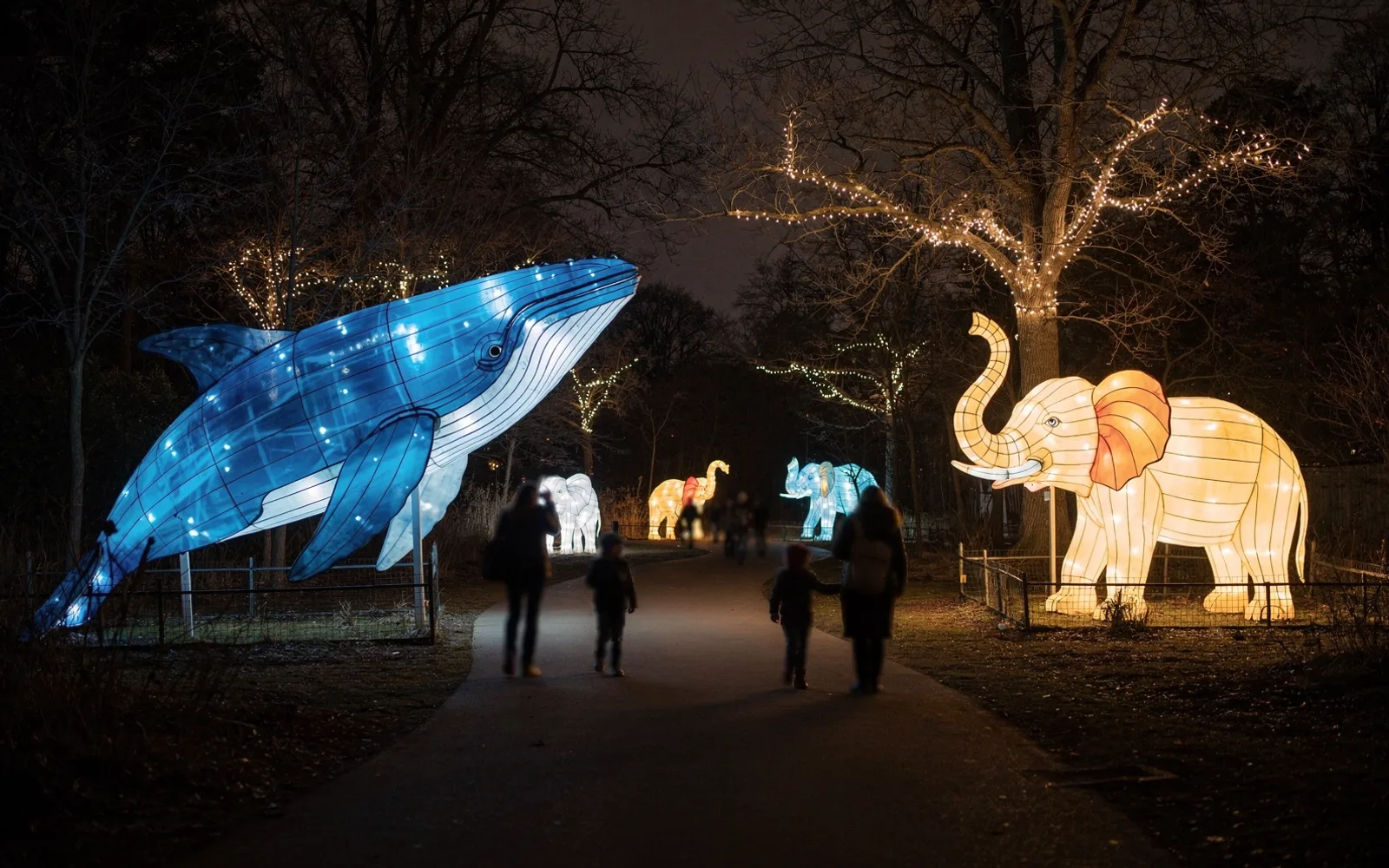
The Smithsonian's National Zoo brings back its annual ZooLights tradition this November, inviting guests to explore glowing wildlife lanterns and seasonal pathways across select evenings.
 ILUSA
Repairs begin on Princeton's 163-year-old Red Covered Bridge
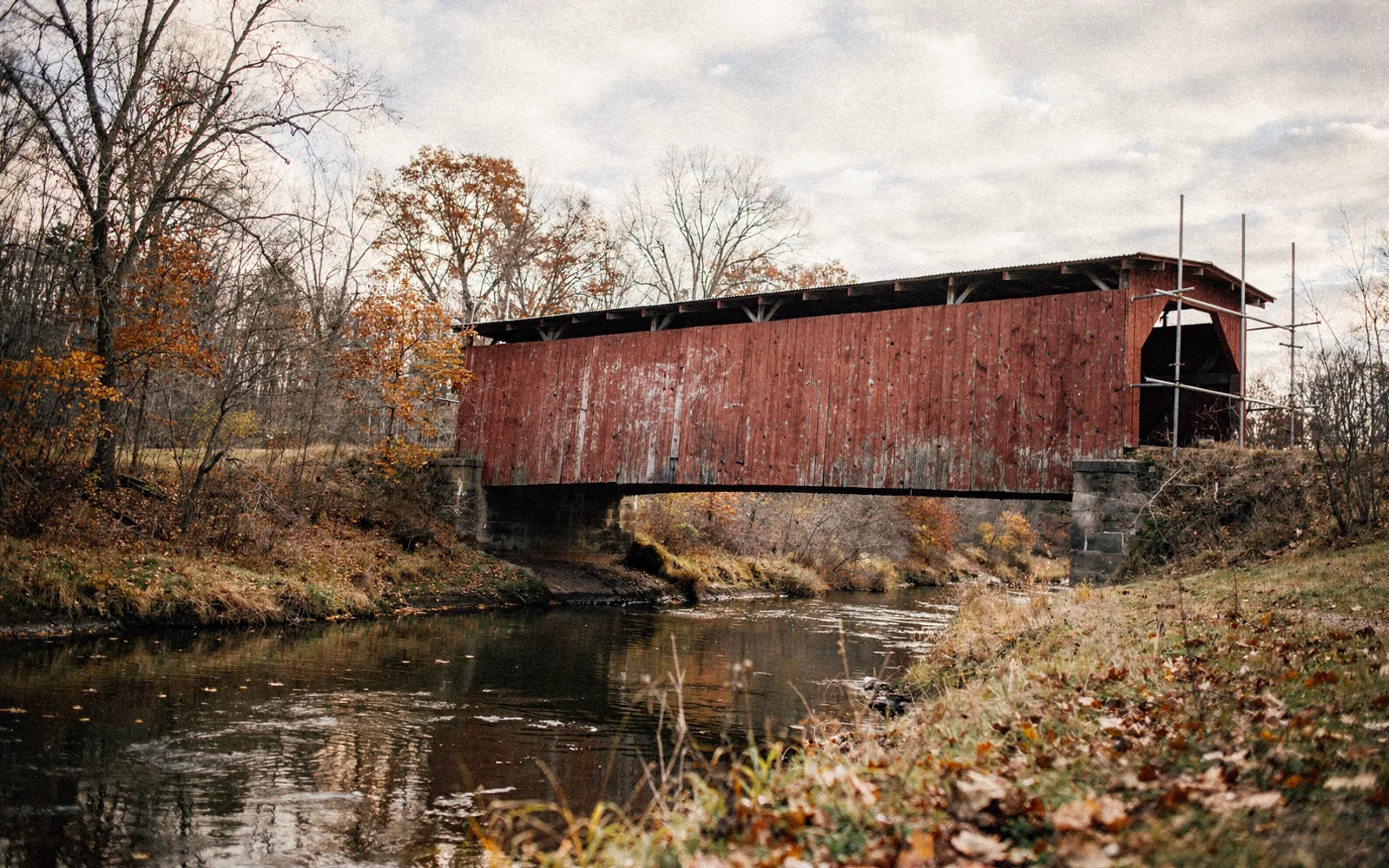
Work is underway on the historic Red Covered Bridge in Princeton, Illinois, where a two-phase repair project will protect the 163-year-old crossing for drivers.