UMass Cranberry Station brings in its second-largest harvest on record
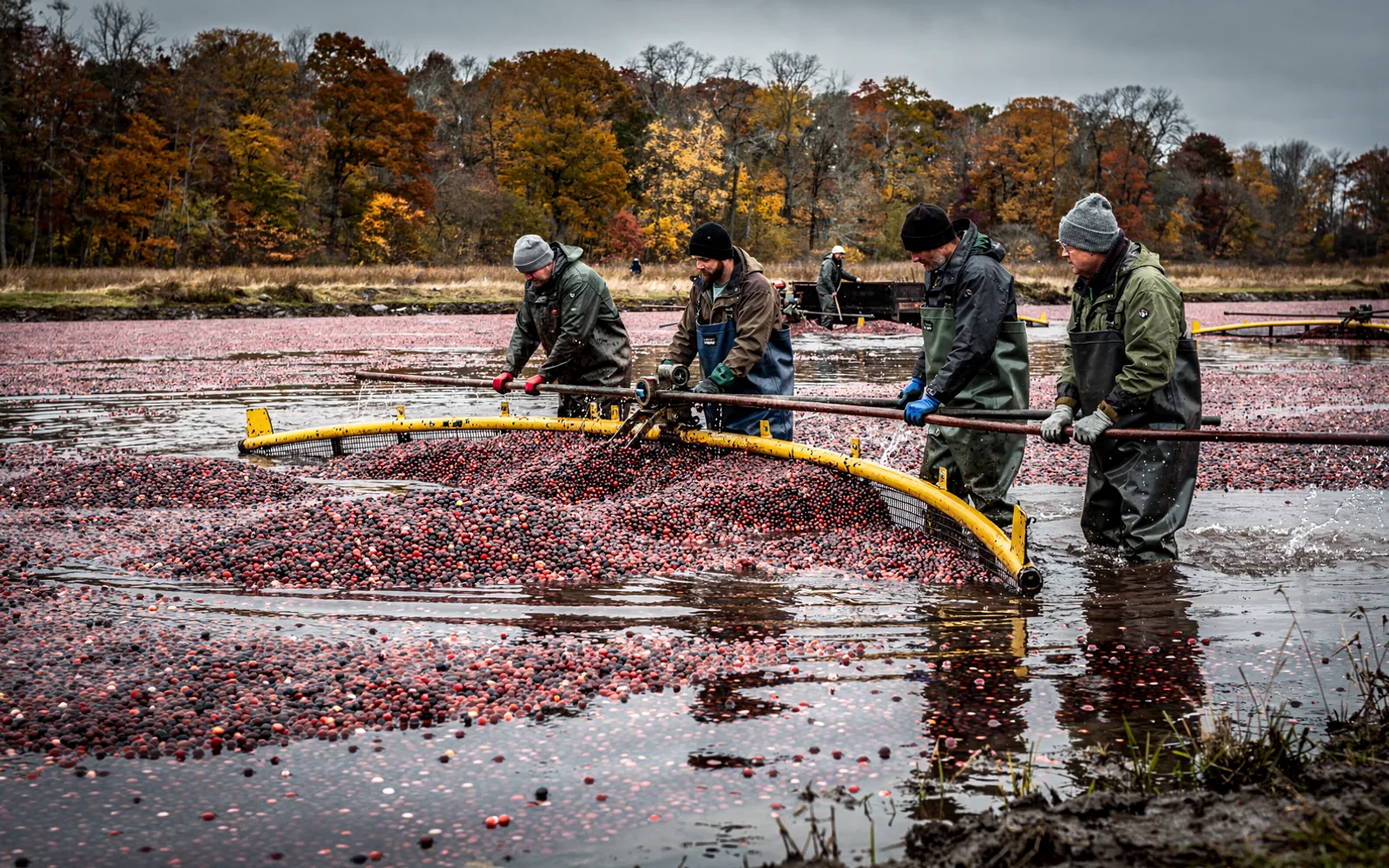
Growers at the UMass Cranberry Station have gathered their second-biggest crop on record, collecting thousands of barrels across southeastern Massachusetts this autumn.
The 60-second version
- The UMass Cranberry Station harvested over 3,700 barrels of fruit in 2026, its second-highest yield on record.
- Most berries go to the Ocean Spray cooperative to become juice, sauce, and dried fruit.
- The Massachusetts picking season concludes in early November as agritourism draws visitors into the bogs.
The UMass Cranberry Station has completed its second-largest harvest on record in 2026, gathering more than 3,700 barrels of bright red berries from its bogs. According to the UMass Amherst Center for Agriculture, Food, and the Environment, the total represents one of the most productive seasons ever recorded at the research facility. In standard agricultural measures, a single barrel equals 100 pounds of fruit, which translates to roughly 29,000 individual cranberries.
Much of the harvested fruit from the station is delivered directly to Ocean Spray, the well-known farmer-owned cooperative. Once received, the berries are processed into everyday pantry staples, including bottled juice, cranberry sauce, and sweetened dried fruit. The cooperative handles berries from across the region, turning autumn yields into products distributed throughout the country.
The Autumn Calendar
Cranberry picking across Massachusetts follows a steady rhythm that marks the shift into late autumn. The statewide harvest started in mid-September, continued steadily through the weeks of October, and typically concludes during the first week of November. Growers across the southeastern part of the Commonwealth, including historic bogs on Cape Cod and the island of Nantucket, coordinate their work around these brisk seasonal dates.
As nighttime temperatures begin to drop across eastern Massachusetts, farmers remain vigilant against early autumn cold snaps. Growers carefully monitor local forecasts for frost and rely on field irrigation systems to coat and protect the tender berries during freezing nights. Running water over the bogs helps insulate the fruit on chilly evenings, preserving quality as the crop reaches peak ripeness.
Welcoming Visitors to the Bog
Alongside the busy fieldwork of gathering fruit, interest in regional agritourism continues to expand across cranberry country. Some local growers now invite members of the public to visit working farms during the autumn harvest window. At certain properties, guests can pull on rubber waders and step directly into flooded bogs to experience the floating crimson fruit firsthand.
These visits provide travelers and regional neighbors with an up-close look at one of the state's signature agricultural traditions. Stepping between the floating vines gives guests a direct appreciation for the careful labor involved in each harvest. The growing visitor interest highlights how working wetlands remain an engaging part of autumn life in coastal Massachusetts.
National Picture
The productive season at the research station arrives during a substantial year for the wider domestic cranberry trade. According to an August forecast issued by the United States Department of Agriculture, the total 2026 crop across the nation was estimated at 7.87 million barrels. Massachusetts bogs provide a notable share of that national total, carrying on centuries of regional cultivation.
With picking operations concluding in early November, farmers and researchers are preparing their fields for the winter quiet ahead. The successful tally at the UMass Cranberry Station provides a strong finish to months of careful cultivation and field observation. As processing plants begin canning and bottling the crop, the season stands as a landmark year for local agriculture.
This dispatch summarizes public information from UMass Amherst Center for Agriculture, Food, and the Environment in our own words. Details such as dates and hours can change; check the original before you travel.
Elsewhere on the wire
 NCUSA
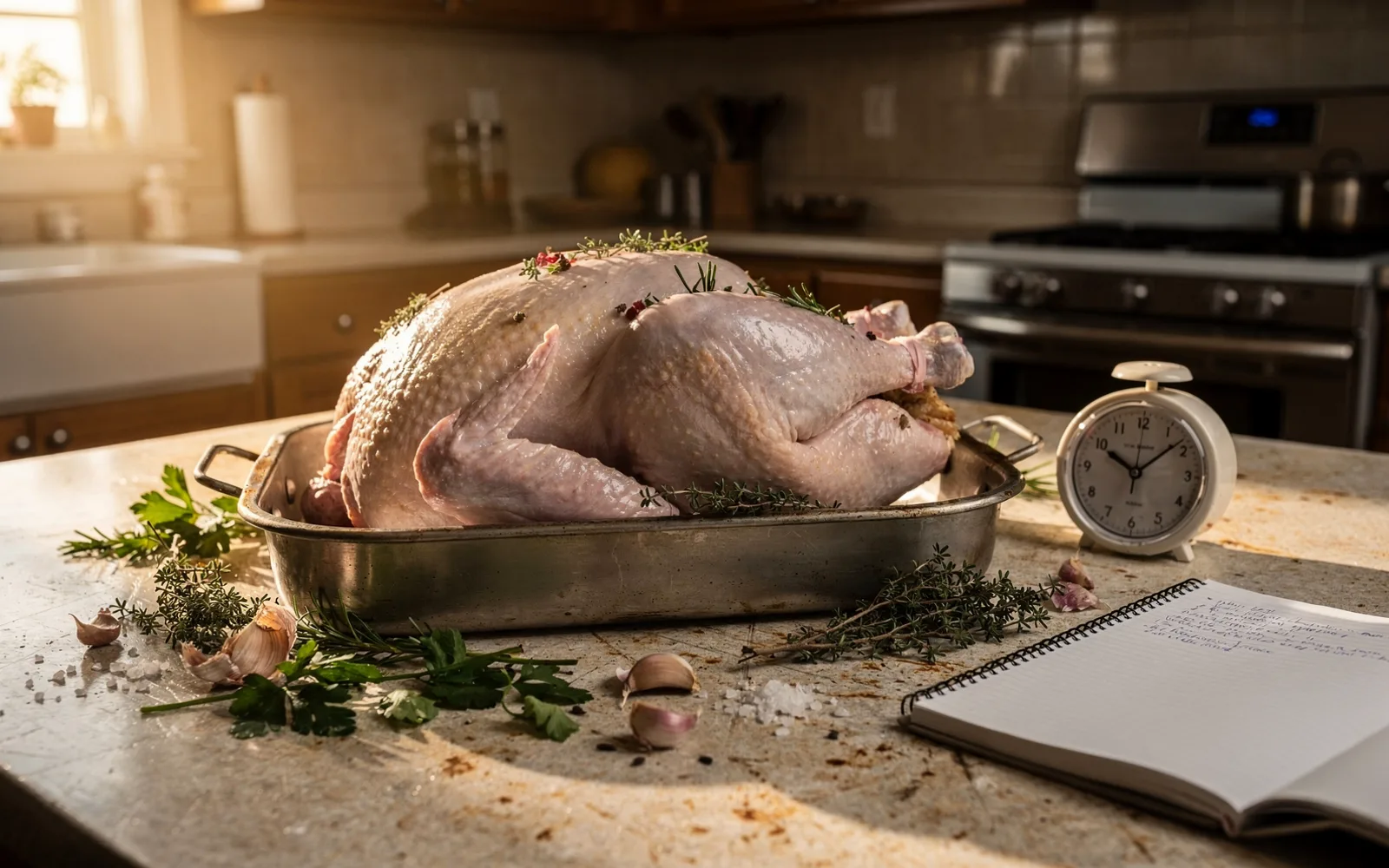
The Turkey Talk-Line picks up for its 45th season
For its forty-fifth season, the Butterball Turkey Talk-Line is open to guide cooks through thawing, roasting, serving and using holiday leftovers.
 DCUSA
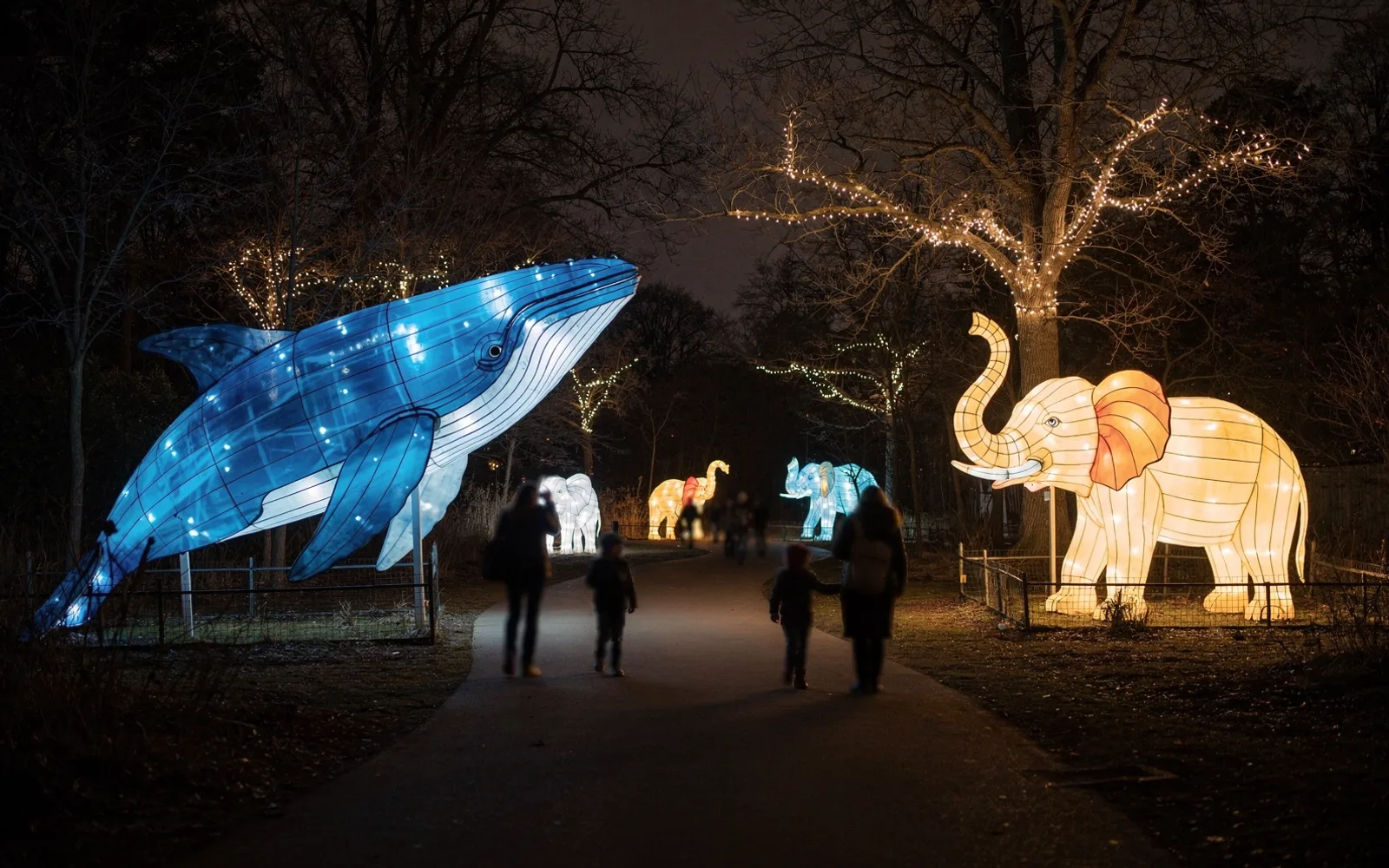
ZooLights returns to the National Zoo on November 20
The Smithsonian's National Zoo brings back its annual ZooLights tradition this November, inviting guests to explore glowing wildlife lanterns and seasonal pathways across select evenings.
 ILUSA
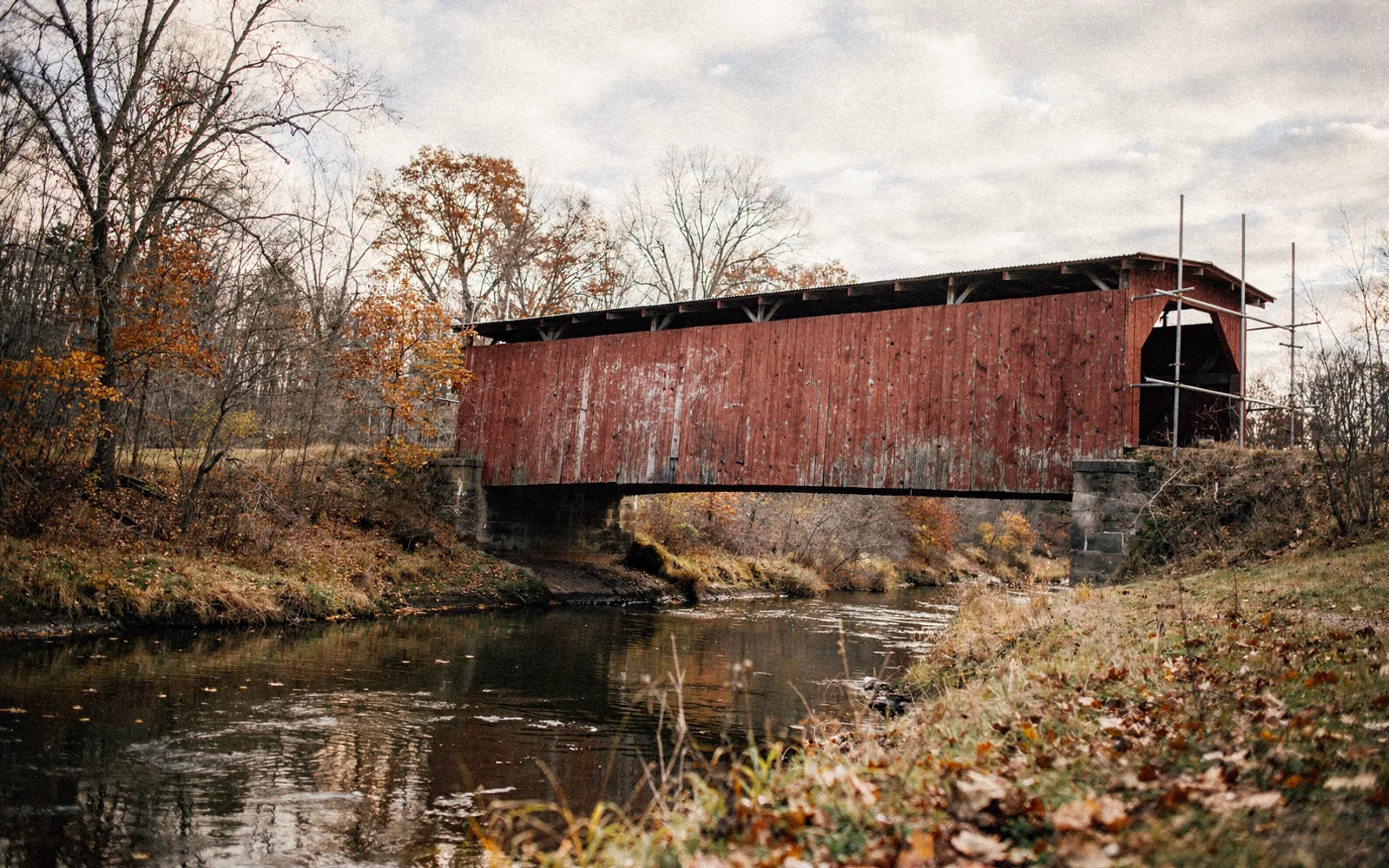
Repairs begin on Princeton's 163-year-old Red Covered Bridge
Work is underway on the historic Red Covered Bridge in Princeton, Illinois, where a two-phase repair project will protect the 163-year-old crossing for drivers.